By Edith Kibavu
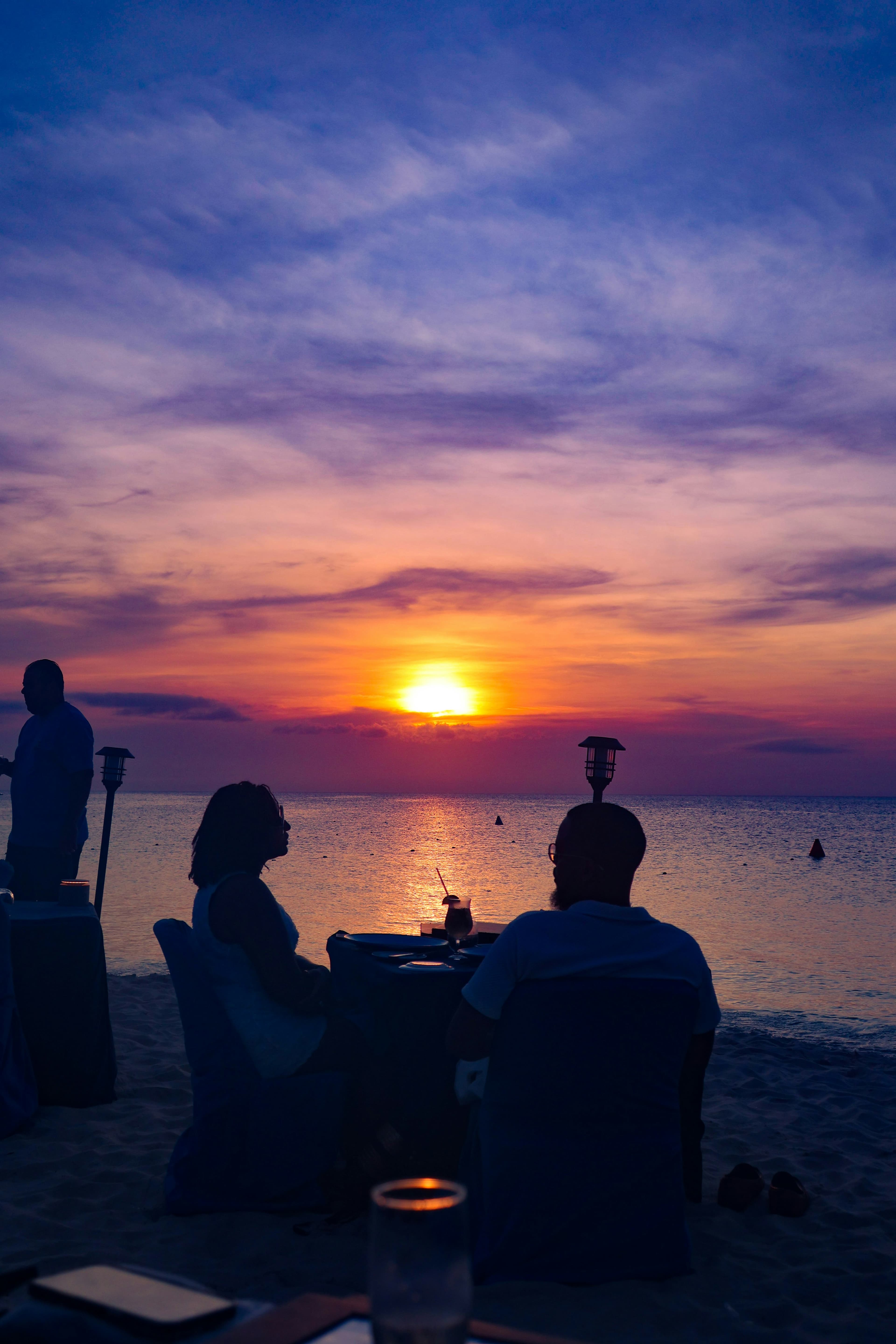
A cultural honeymoon is not just about seeing new places it is about feeling the heartbeat of different worlds together.
It is where love steps beyond luxury and adventure, and enters something deeper: meaning, heritage, and human connection. Couples who choose cultural honeymoons are not only travelers they are storytellers collecting experiences that shape how they see life, love, and each other.
Because when two hearts explore culture together, they do not just visit places… they understand them.
What Makes a Cultural Honeymoon So Special?
A cultural honeymoon is unique because it connects couples to the soul of a destination.
Instead of only relaxing or adventuring, couples:
* learn traditions
* experience local lifestyles
* taste authentic foods
* engage with communities
* discover history and heritage
This creates emotional depth in the journey. Every experience becomes more meaningful because it carries stories from generations before.
It is not just sightseeing it is emotional immersion.
And when shared with someone you love, it becomes unforgettable.
Japan – Where Tradition and Romance Flow Together
Japan is one of the most poetic cultural honeymoon destinations in the world.
In Kyoto, couples walk through ancient temples, wooden streets, and peaceful gardens where time feels slower and more meaningful.
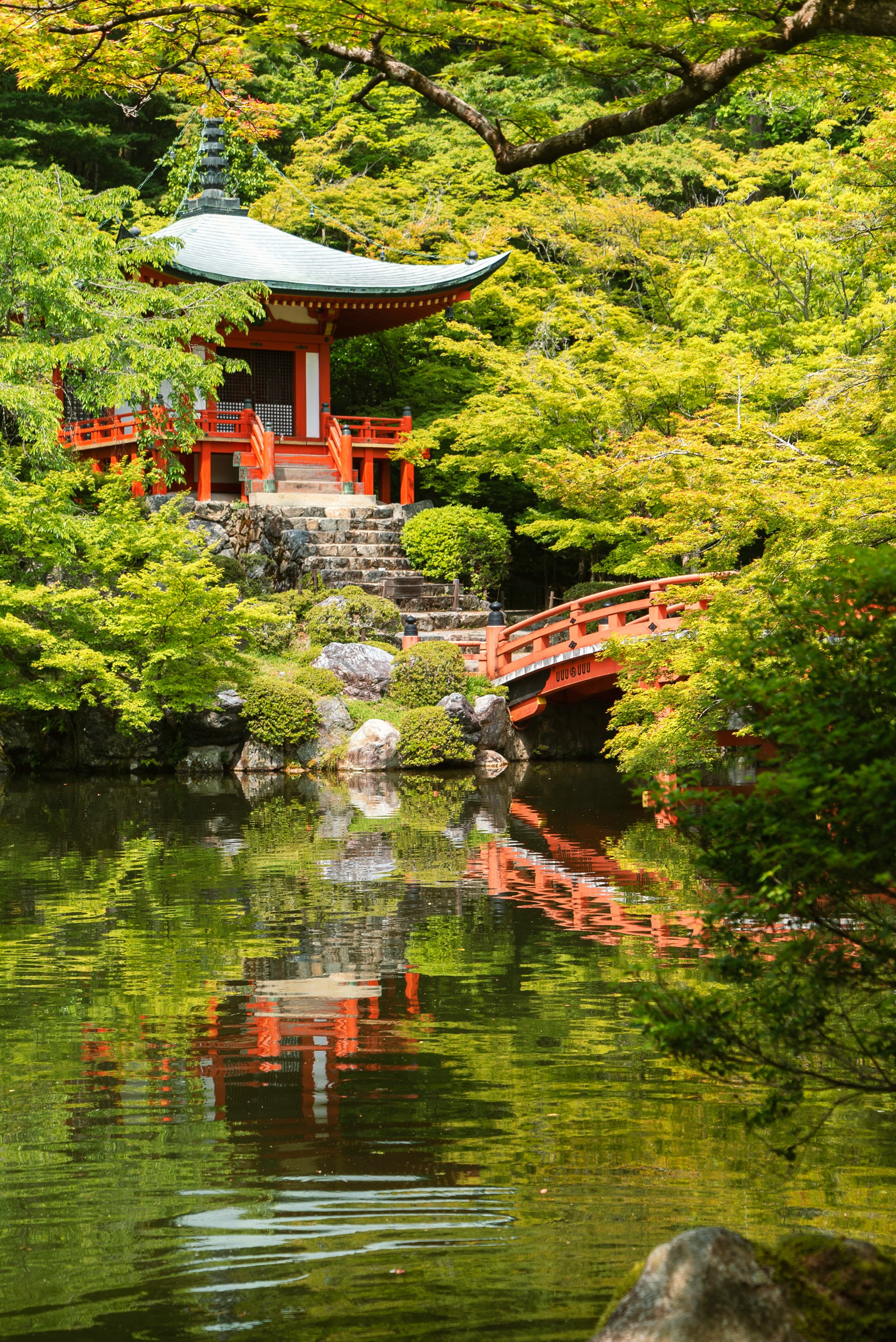
Cherry blossoms falling softly in spring create a romantic atmosphere that feels almost unreal—like nature is gently celebrating love itself.
Couples can experience:
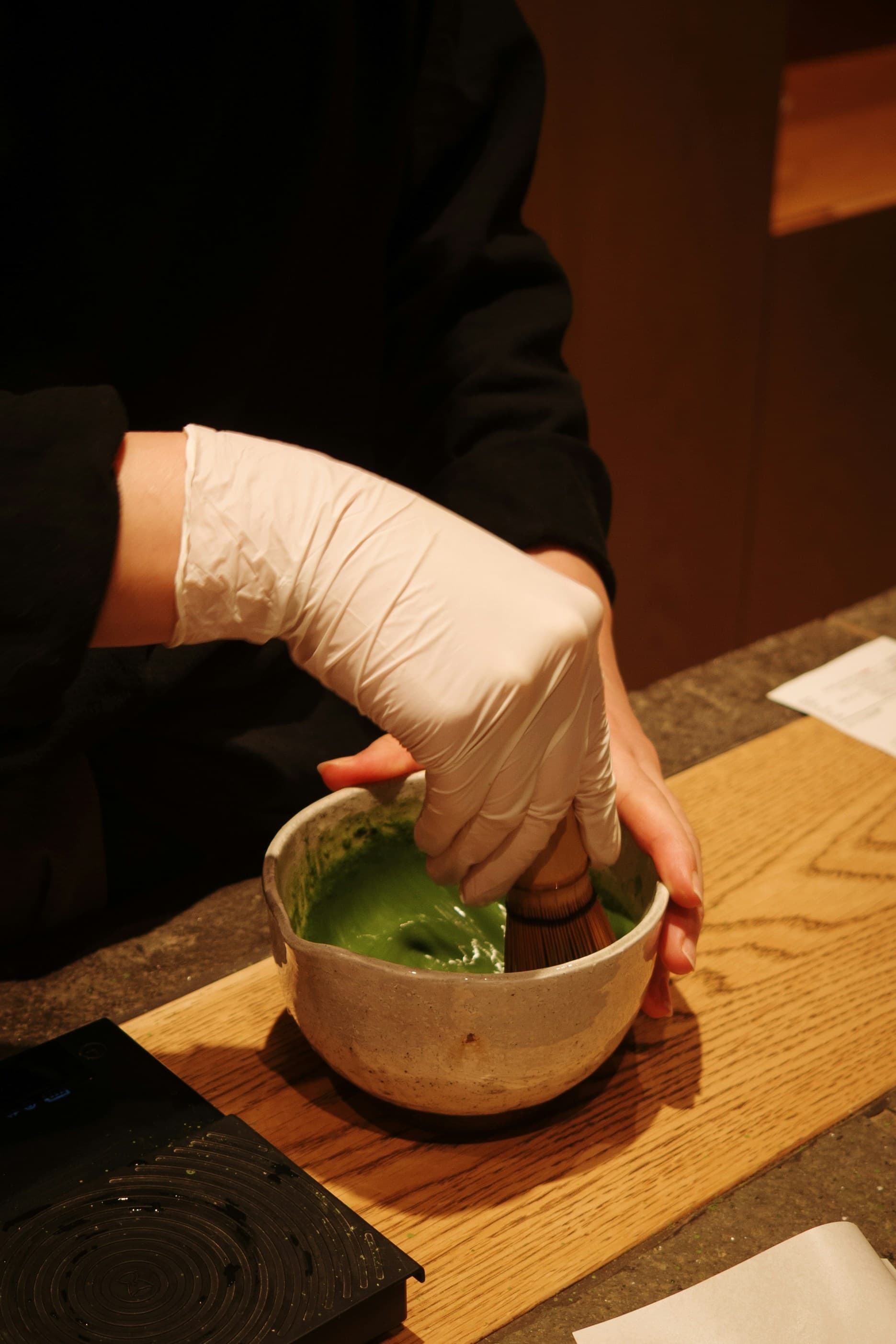
* traditional tea ceremonies
* kimono photoshoots
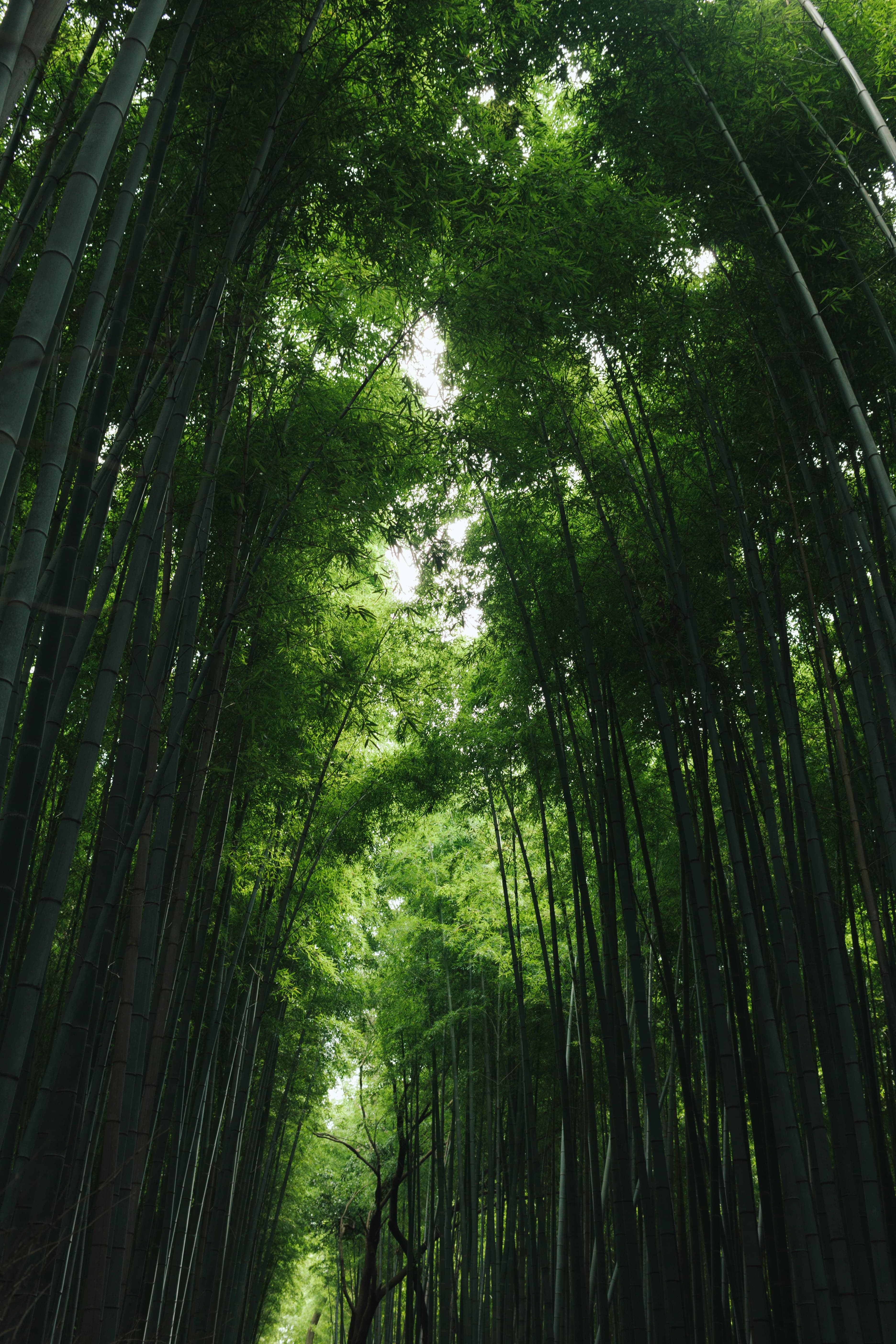
* bamboo forest walks
* temple visits at sunrise
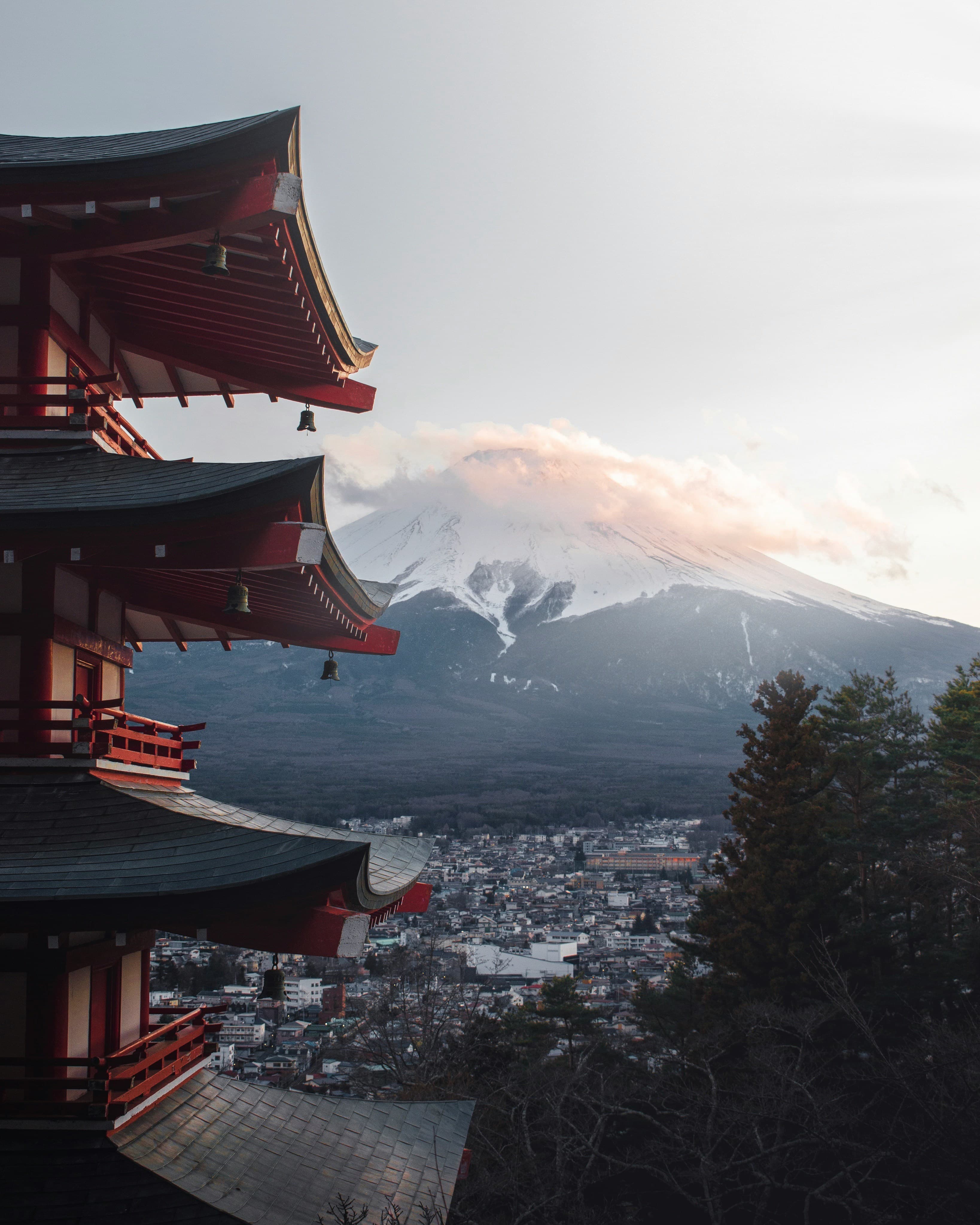
Japanese tradition, couples often find romance in shared moments of nature, seasonal festivals, and everyday rituals. Respect for personal space and emotional understanding strengthens bonds. Love grows slowly, like cherry blossoms, reminding partners that beauty is fleeting, so every moment together should be cherished deeply with gratitude and patience.
Tanzania – Culture, Nature, and Human Connection
The Maasai cultural experience in Tanzania is one of the most meaningful journeys couples can take during a honeymoon. It is not defined by luxury or modern entertainment, but by authenticity, human connection, and the timeless rhythm of tradition. For many couples, it becomes a moment where travel transforms into understanding, and where love is reflected not only in each other but in the wider human story.
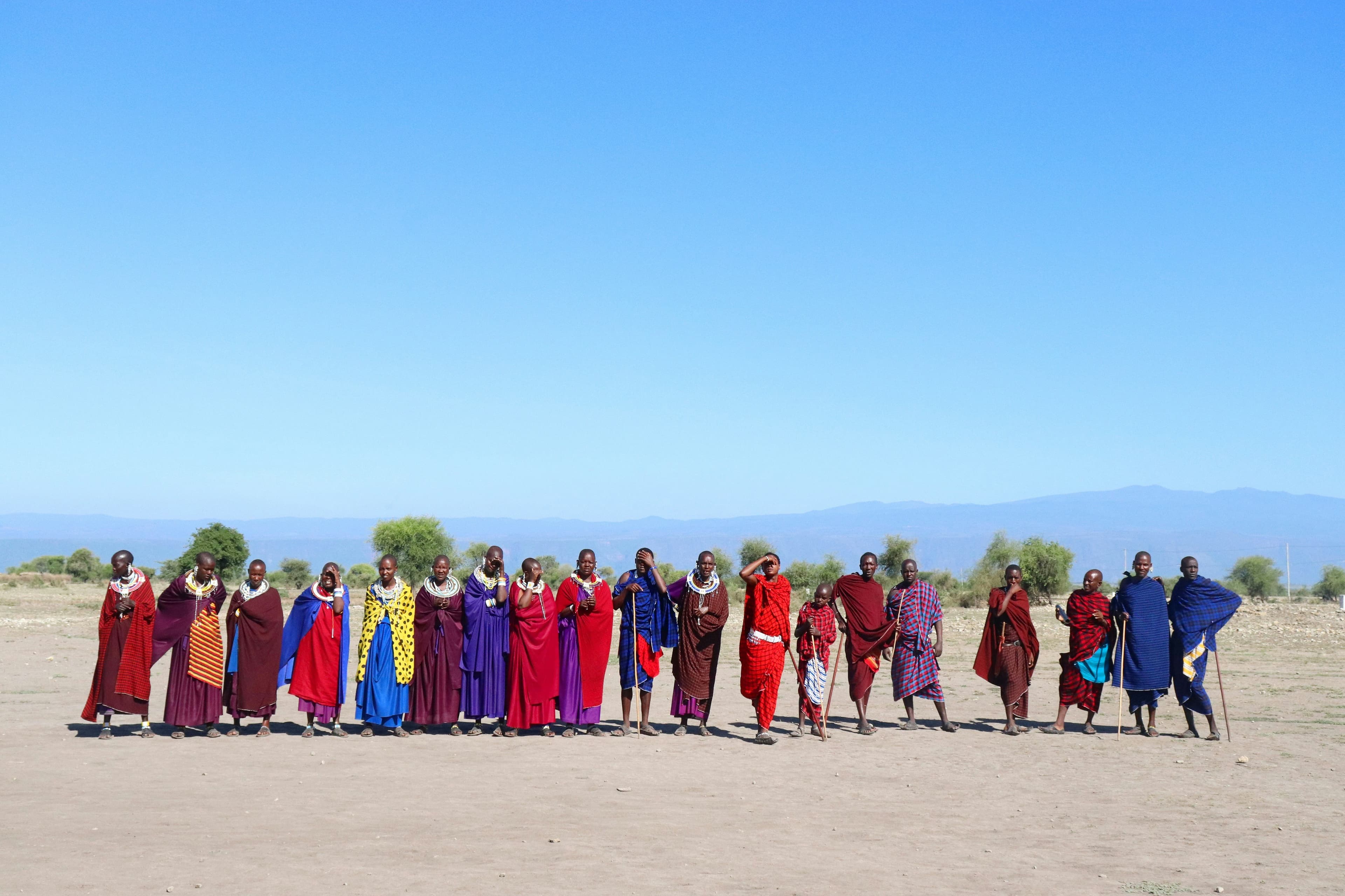
When couples arrive in a Maasai community, they are often welcomed into a manyatta, a traditional village made up of circular huts constructed from natural materials like mud, sticks, and cow dung. At first glance, the simplicity of the setting may feel unfamiliar, but it quickly becomes clear that life here is deeply organized around family, cooperation, and respect for the environment. Every structure, every movement, and every tradition has meaning.
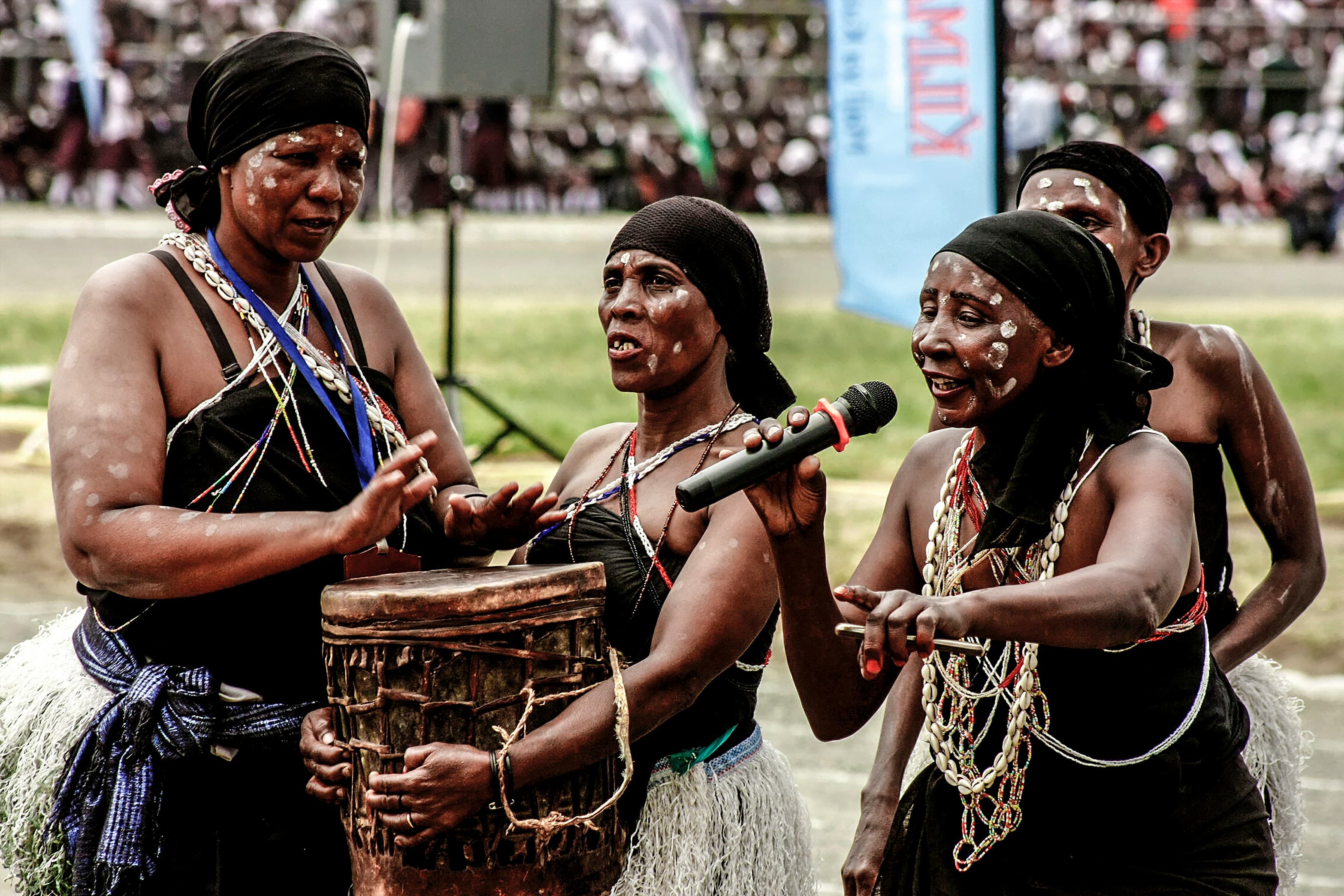
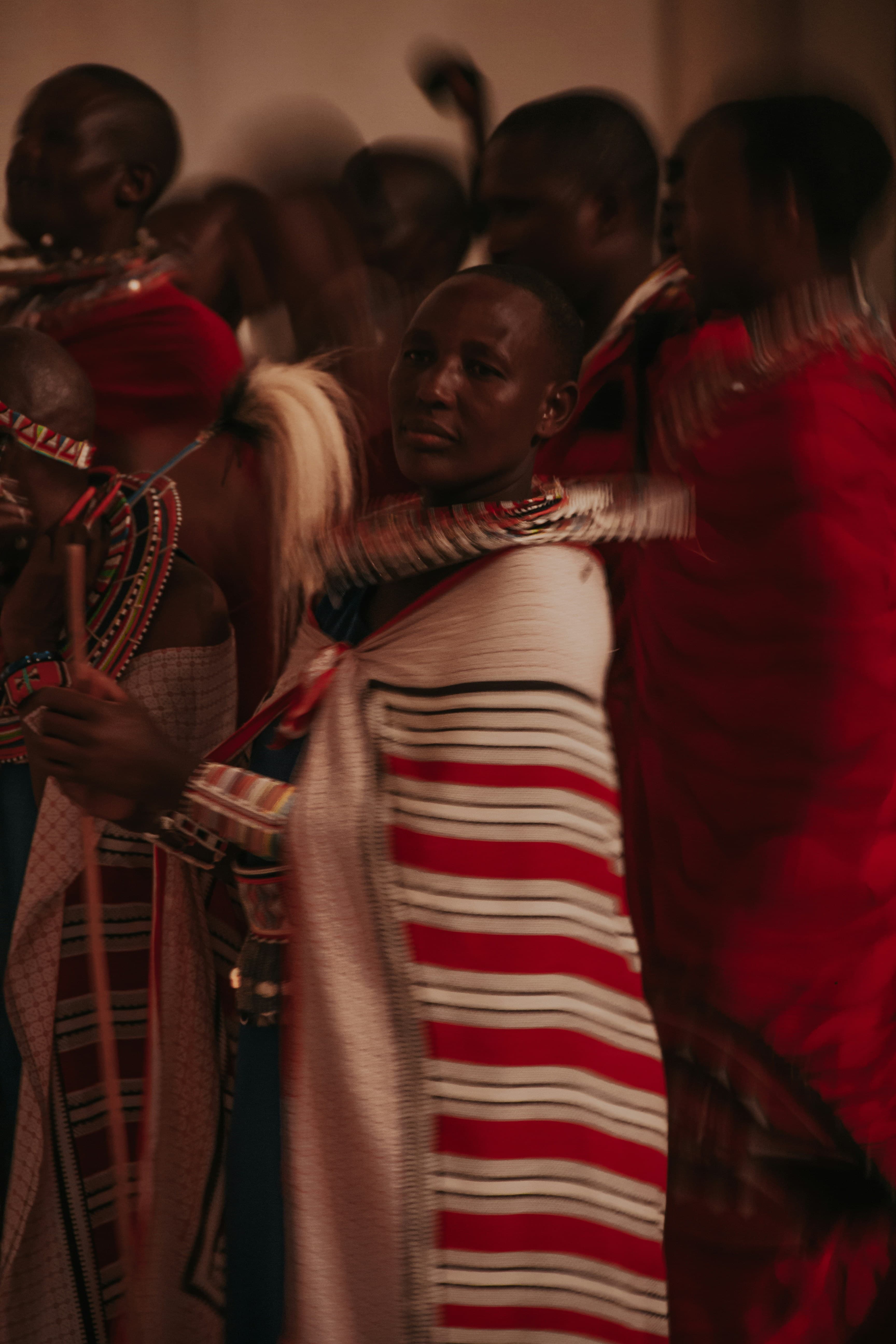
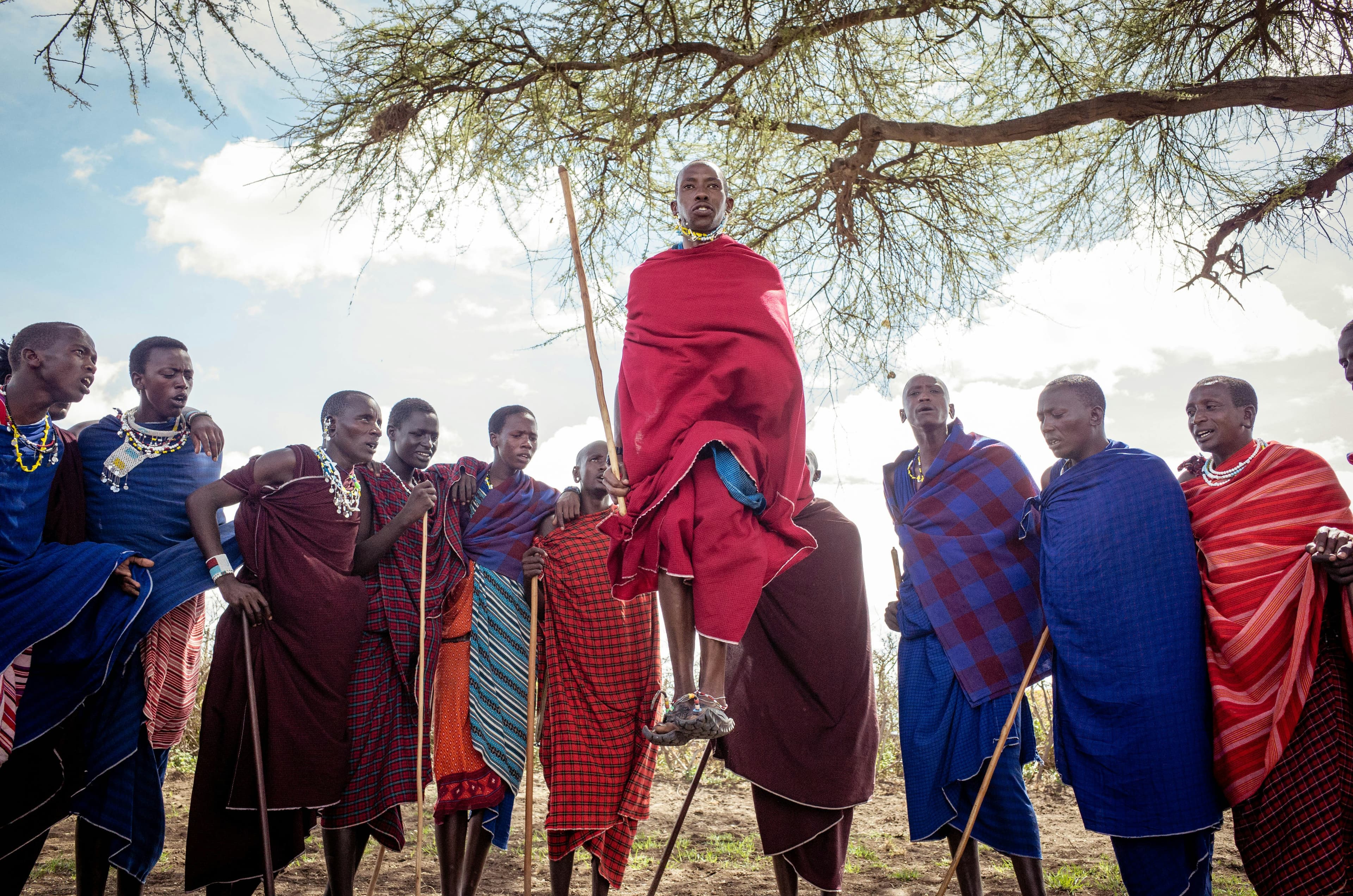
One of the most unforgettable highlights is the adumu jumping dance, performed by Maasai warriors. Standing in a circle, the men take turns leaping vertically into the air with incredible strength and precision. The higher the jump, the greater the display of energy and pride. Accompanied by deep rhythmic chants, bead-adorned movements, and the collective voice of the community, the dance is not just performance—it is identity in motion. For couples watching, it often symbolizes unity and strength, qualities that also form the foundation of lasting relationships.
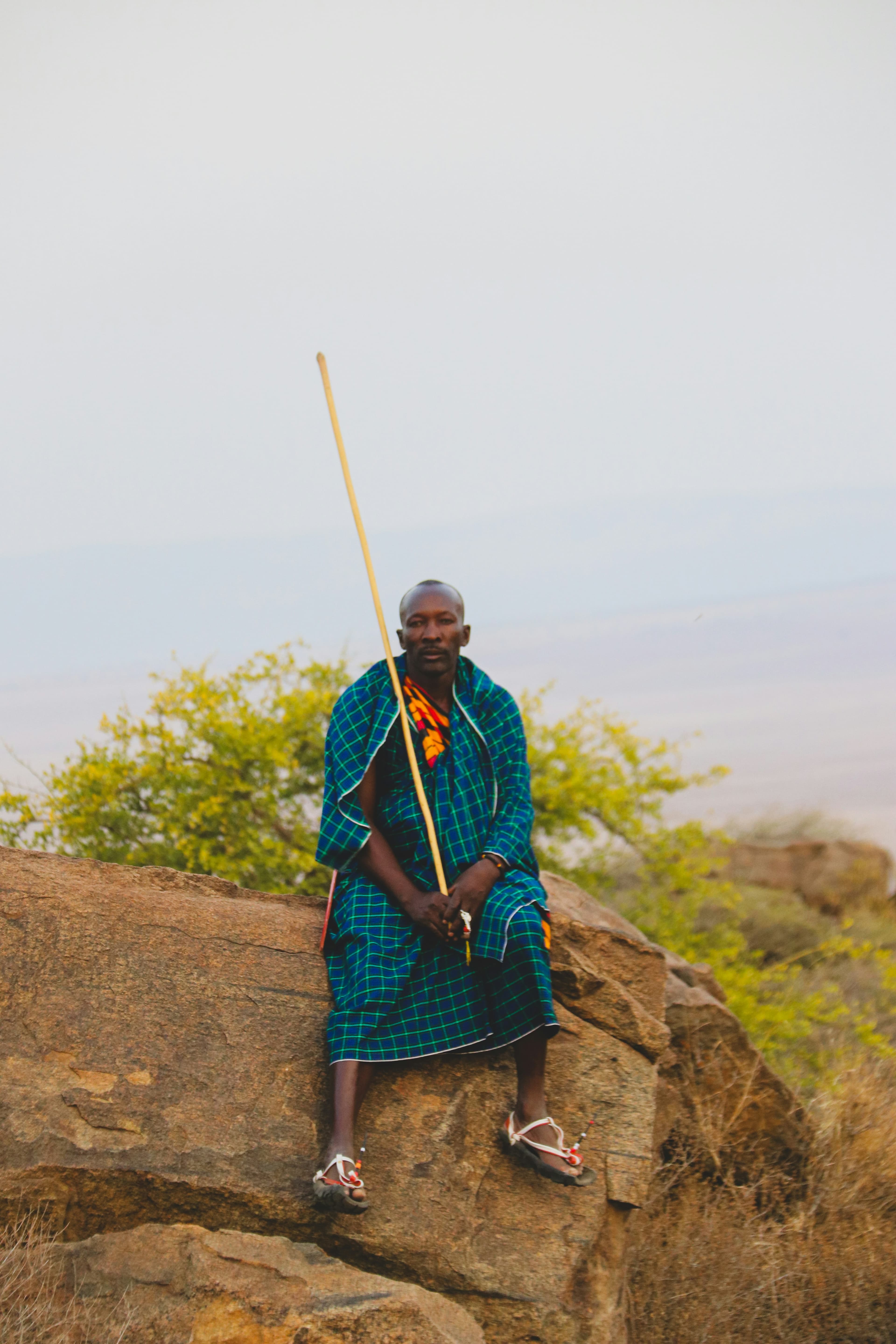
Beyond the dance, the Maasai elders play a central role in the cultural experience. Sitting around a fire or under a shaded tree, they share oral stories passed down through generations. These stories speak of bravery, ancestral wisdom, the relationship between humans and wildlife, and the importance of community harmony. For honeymooners, these moments create a quiet emotional depth. They serve as a reminder that love is not only about passion but also about patience, listening, and shared growth.
Couples are also invited to observe or participate in aspects of daily life. Maasai herders guide cattle across vast open savannahs, reflecting a deep bond between people, animals, and land. Cattle are not only a source of livelihood but also a symbol of wealth, identity, and survival. Watching this connection offers a powerful contrast to modern urban life, where relationships with nature are often distant.
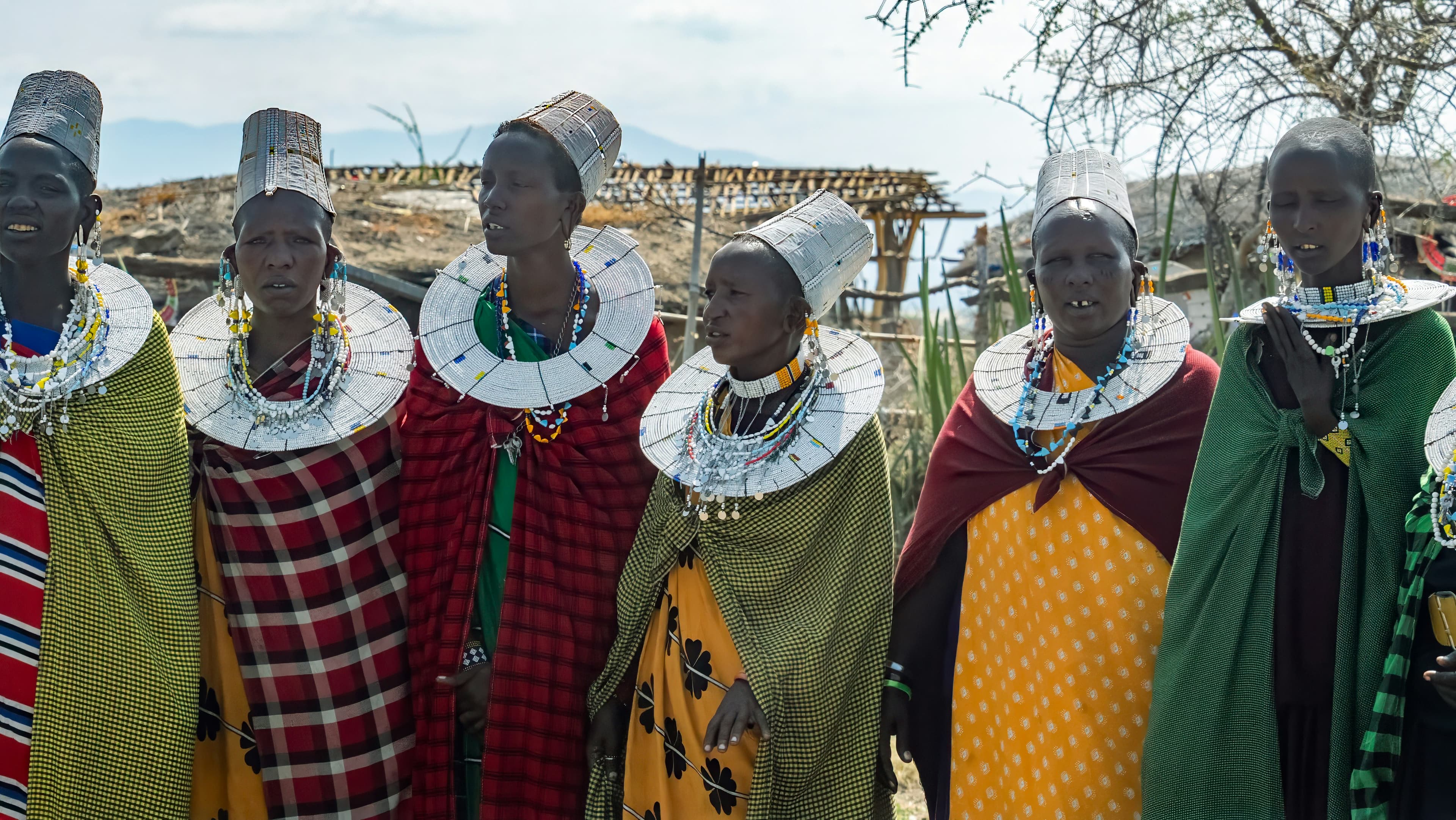
Another striking element is Maasai beadwork, created primarily by women. Each color and pattern carries symbolic meaning—red for bravery and unity, blue for energy and sustenance, white for peace, and green for health and land. Couples often find themselves drawn to these handcrafted pieces, not just as souvenirs but as meaningful representations of culture and storytelling through art.
What makes the Maasai experience especially powerful for honeymooners is the emotional reflection it inspires. In a world that often moves quickly, the Maasai way of life encourages presence, simplicity, and connection. Couples begin to see that love, much like culture, is not built in a single moment but shaped through shared experiences, understanding, and respect.
By the end of the visit, many couples leave with more than photographs—they leave with perspective. The Maasai remind them that love is universal, but expressed differently across cultures. It lives in dance, in stories, in shared meals, and in the quiet strength of community.
In this way, a Maasai cultural experience becomes more than a honeymoon activity. It becomes a lesson in humanity itself—a reminder that while two people begin their journey together, they are also part of a much larger story of connection, tradition, and love that spans generations.
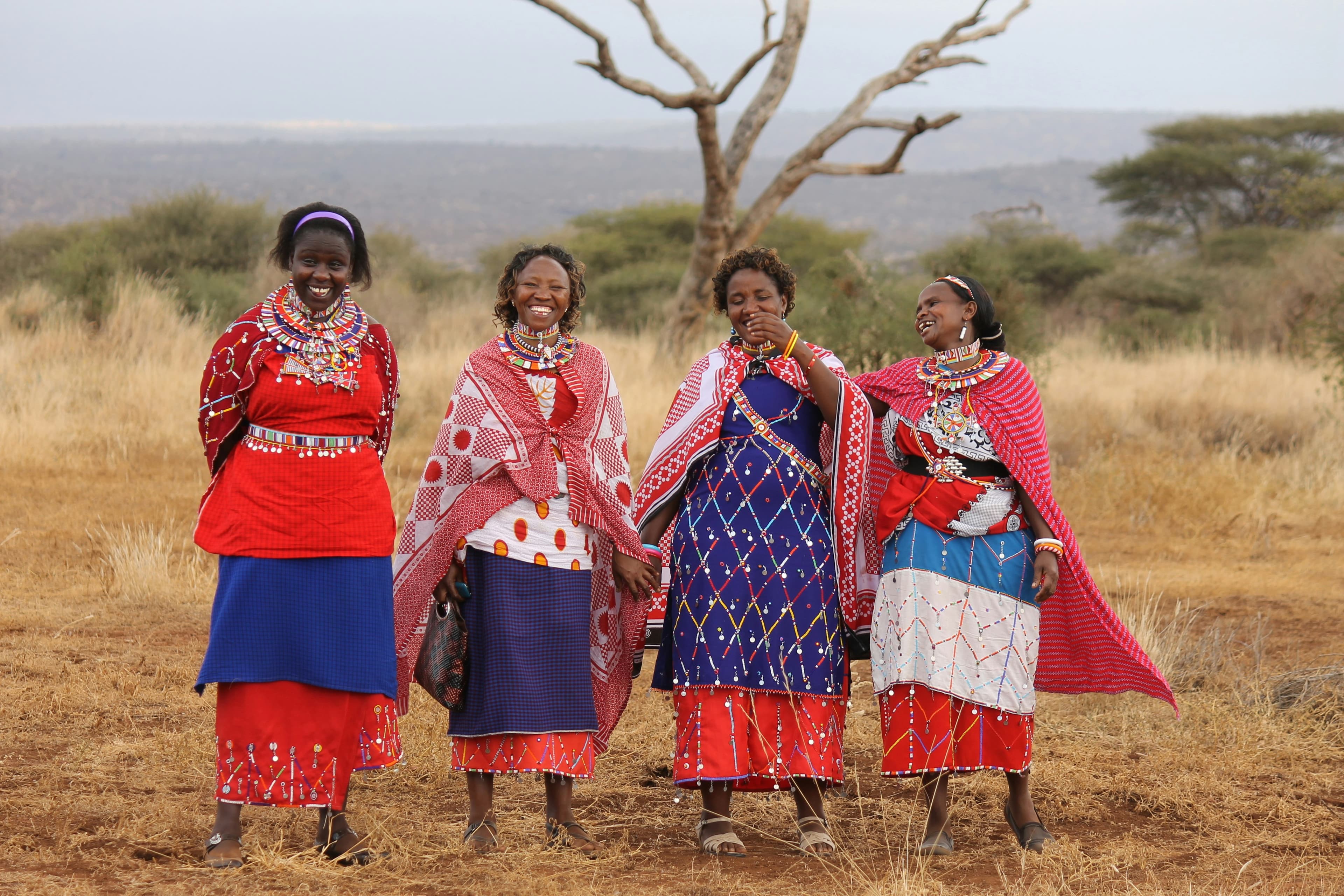
A honeymoon becomes truly unforgettable when couples experience cultural practices together. It is not just about visiting beautiful places, but about stepping into the heart of how different people celebrate life, love, and unity.
When newlyweds travel, every culture offers a new way of seeing love. In Japan, silence and respect create deep emotional connection during tea ceremonies. In India, spiritual rituals by rivers remind couples that love is sacred and eternal. In Africa, traditional dances and storytelling bring joy, energy, and a sense of community. In Europe, art, music, and history show how love has been expressed for centuries.
These cultural moments allow couples to grow closer because they are experiencing something meaningful together. They are not only watching the world—they are participating in it. Sharing these experiences builds understanding, patience, and emotional strength in a relationship.
Food also becomes a powerful cultural bond. Trying new dishes together, eating local meals, and discovering flavors from different countries turns simple moments into shared memories. Every taste becomes part of their love story.
A cultural honeymoon teaches newlyweds that love is universal but expressed differently across the world. It reminds them that their relationship is part of something much bigger—a global expression of connection, emotion, and humanity.
In the end, the most beautiful part of a cultural honeymoon is not the destination itself, but the way it transforms two people into a stronger, more understanding, and deeply connected couple ready to build their future together.