Humanity has always sought connection with its roots, finding meaning in the lives and wisdom of those who came before. Across cultures and generations, rituals of ancestral connection serve as timeless practices that preserve identity, strengthen community, and remind us that we are part of a continuum stretching beyond our own lifetimes. These traditions are not merely symbolic they are living acts of remembrance that keep ancestral voices alive in the present.
Rituals of ancestral connection
At the heart of ancestral rituals lies remembrance. Families and communities recall the names, stories, and deeds of their forebears through prayer, song, or storytelling. For example, in many African traditions, elders recite ancestral lineages during ceremonies, ensuring that younger generations know where they come from.
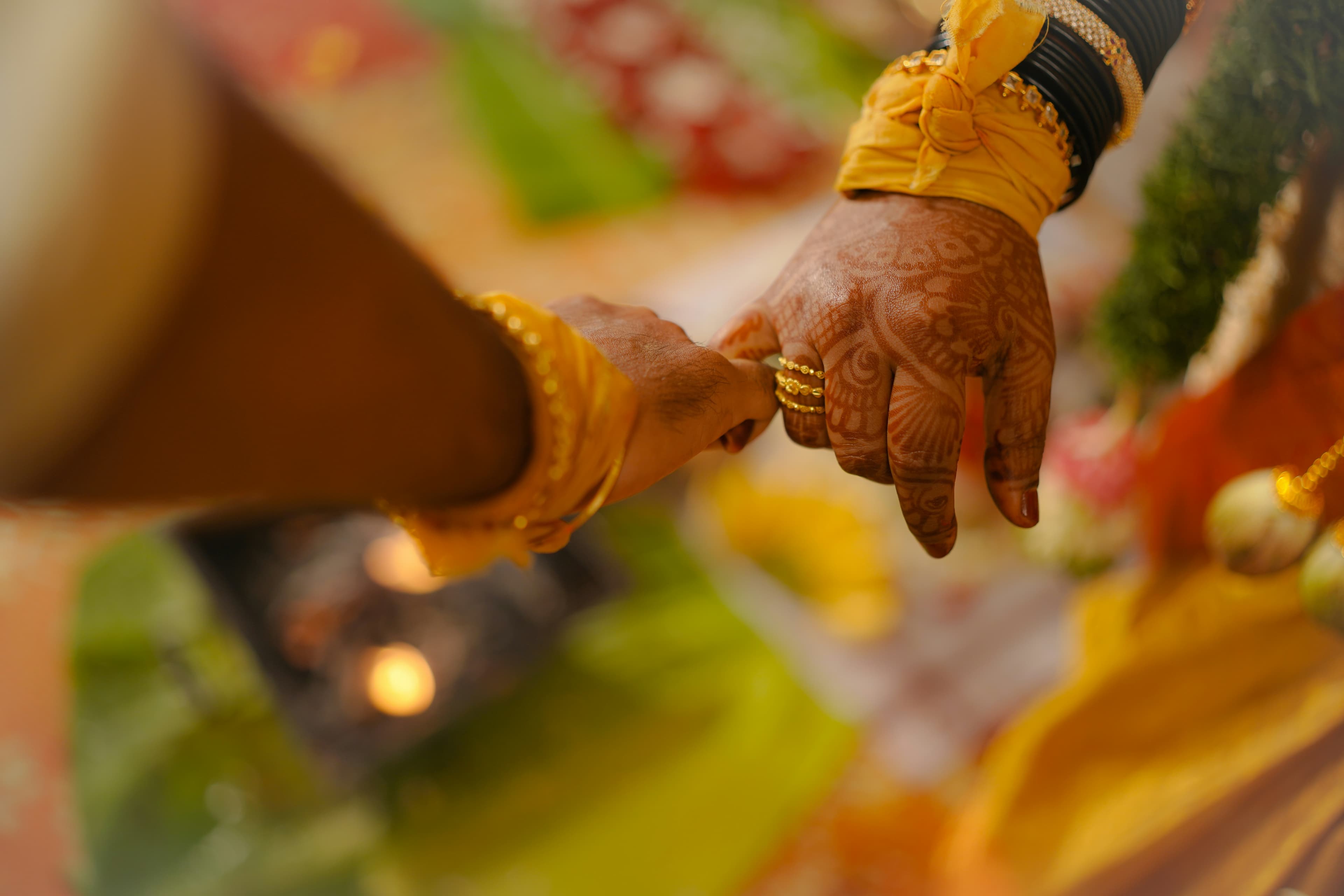
These rituals remind couples that marriage is not only personal but also communal, rooted in family and culture. They create a sense of continuity, linking generations together.
Symbolic Attire
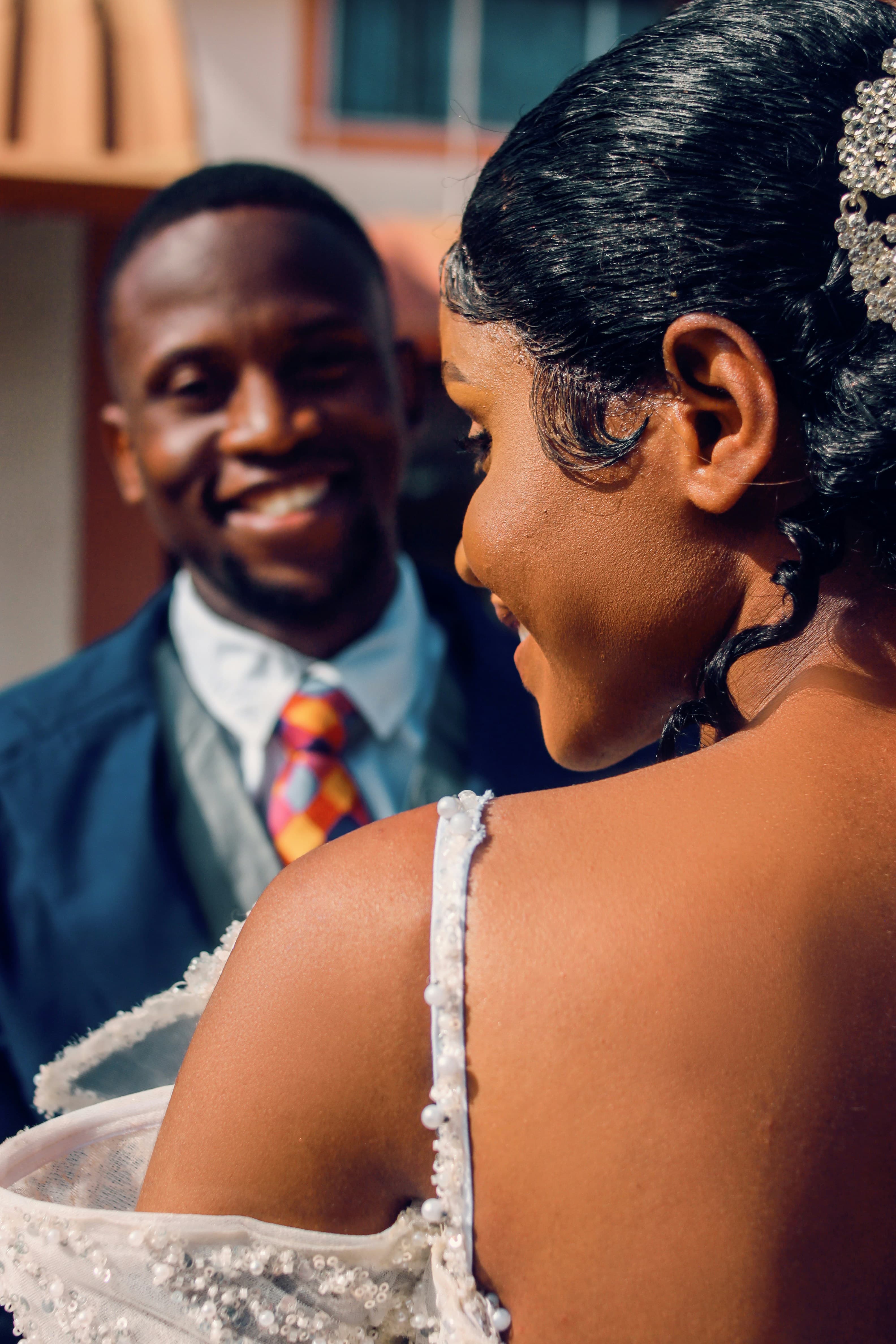
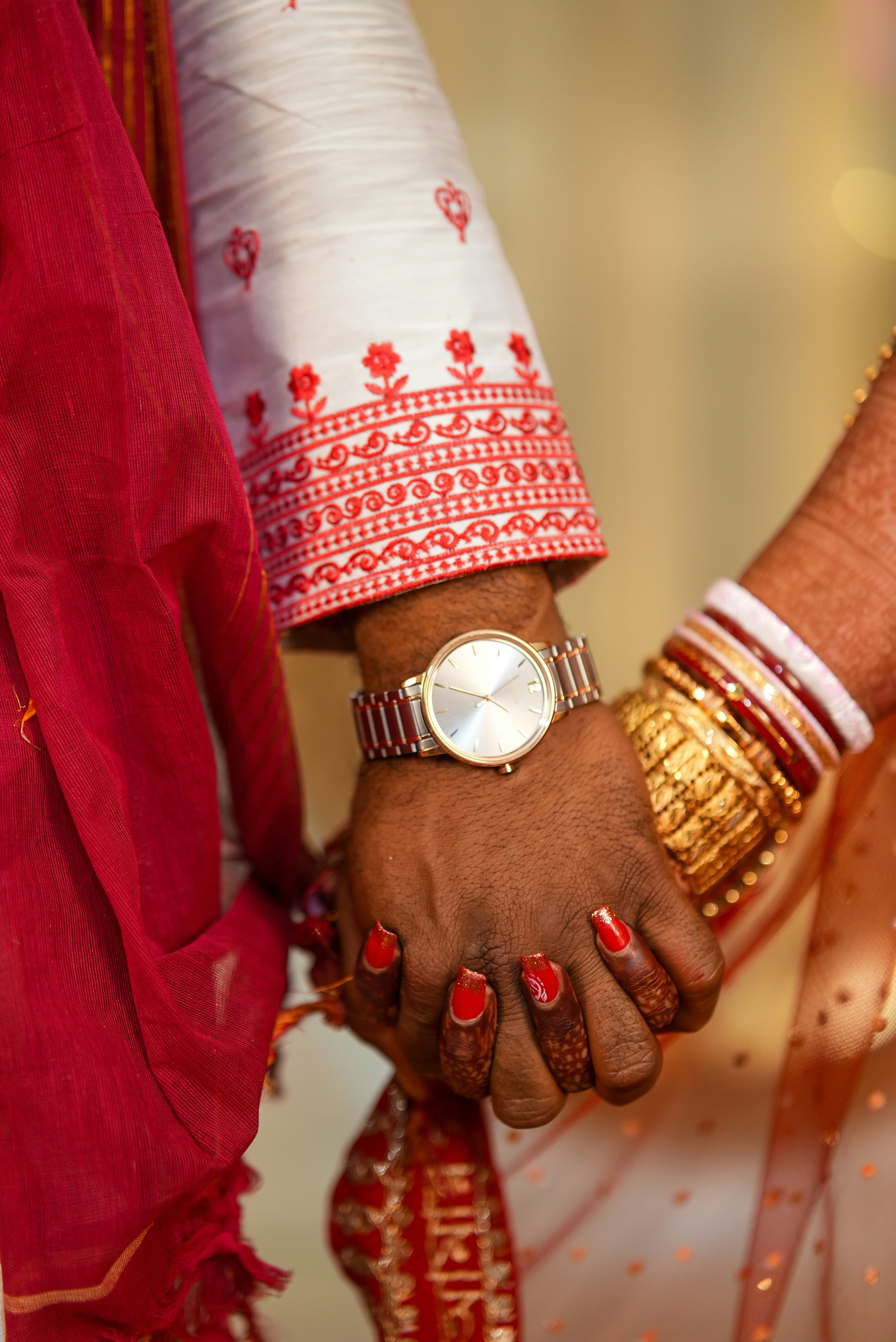
Wedding attire carries deep cultural meaning. In Tanzania, kitenge or khanga fabrics are worn to symbolize identity and pride. Ghanaian weddings feature kente cloth, representing royalty and heritage. Japanese brides wear kimonos to embody purity, while Indian couples wear lehengas or sherwanis to reflect festivity.
Western weddings often feature white dresses symbolizing new beginnings. Attire becomes a living symbol of culture, blending modern fashion with ancestral pride.
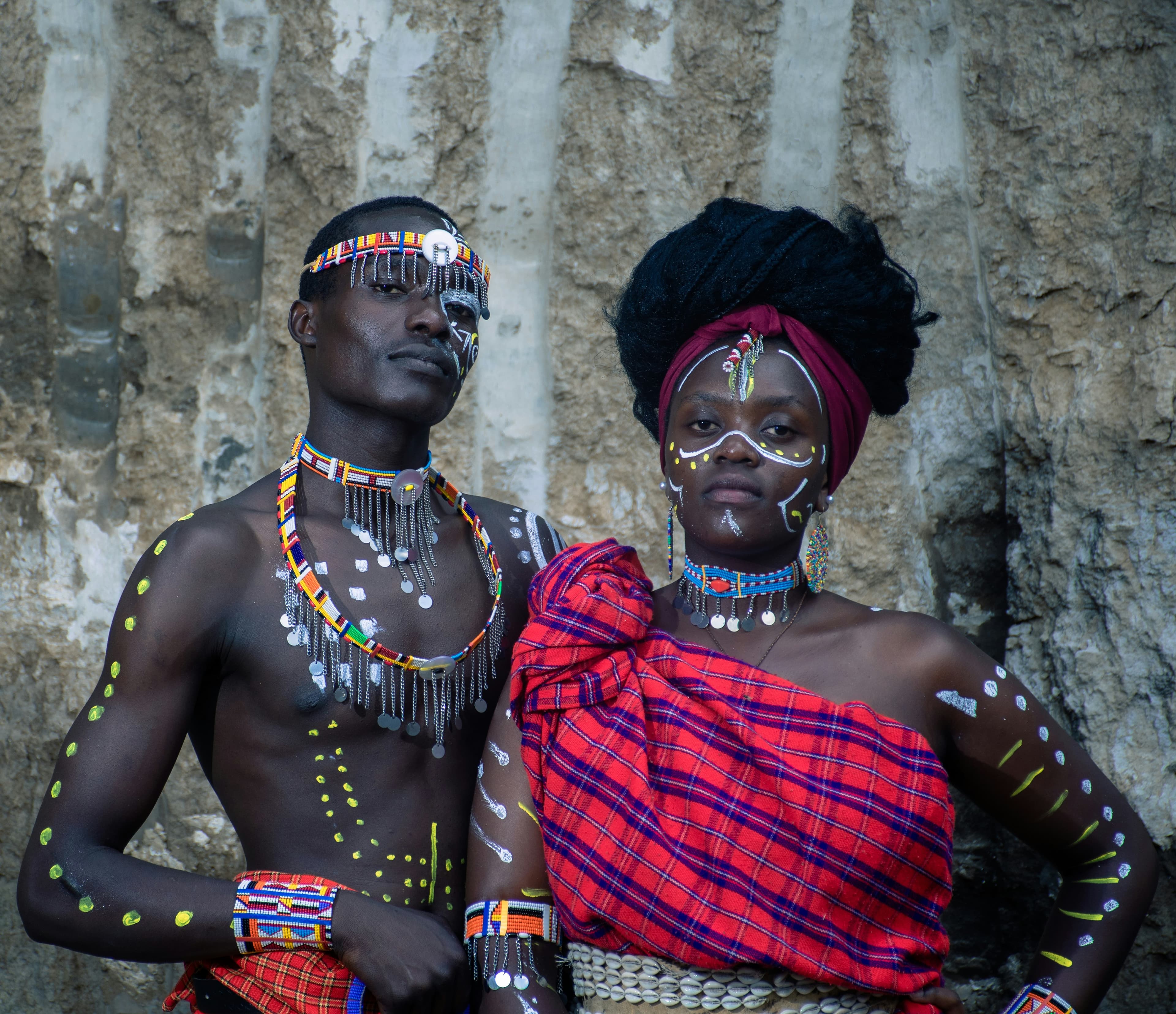
Couples can personalize their outfits by mixing traditional fabrics with contemporary designs, ensuring authenticity while appealing to modern tastes.
Example: During ancestral ceremonies, Maasai elders wear the red shúkà cloth. The red shúkà symbolizes strength, protection, and continuity, serving as a visible reminder of ancestral power and cultural identity.
Music and Dance Traditions
Music and dance are universal languages of joy. In Tanzania, ngoma drumming and traditional dances bring energy to weddings. Scottish weddings feature bagpipes, while Eastern European weddings include circle dances symbolizing unity.
Indian weddings often have sitar or tabla performances. These traditions create rhythm and connection, ensuring guests feel part of the celebration.
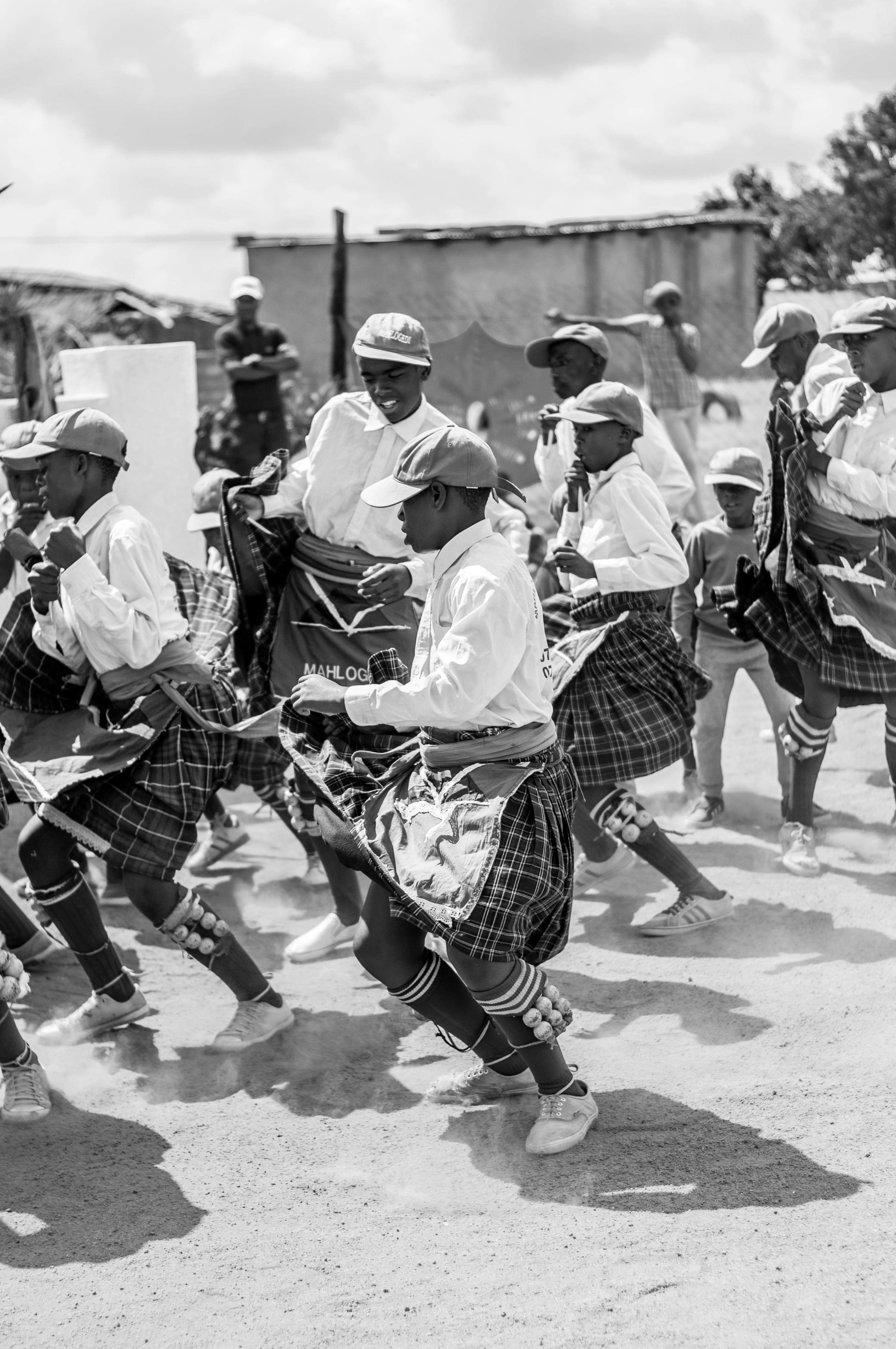
Dance and music are not just entertainment they are cultural expressions that embody heritage and emotion. They allow guests to participate actively, creating unforgettable memories. African Drum Circles: Communities gather to play djembe drums in rhythm. The drumming is believed to call ancestral spirits, creating a spiritual dialogue between past and present.
- Native American Powwow Dances: Dancers wear regalia and move to drumbeats in circles. → The circular dance represents the cycle of life and honors ancestors through movement and song.
- Japanese Obon Dance (Bon Odori): Families perform traditional dances during the Obon festival. The dance welcomes ancestral spirits back home, expressing joy and reverence.
- Mexican Día de los Muertos Music: Mariachi bands play lively songs at altars and cemeteries. The music celebrates life and invites ancestors to join in the festivities.
- Tanzanian Zaramo Ngoma Dance: Performed with drums and chants during family ceremonies. The dance strengthens community bonds and honors lineage by invoking ancestral blessings.
Traditional Foods and Drinks
Food is a cultural storyteller. In Tanzania, Staples like ugali (maize porridge), pilau (spiced rice), and nyama choma (grilled meat) reflect indigenous roots, while coastal Swahili cuisine blends African, Arab, Indian, and Persian influences, often featuring coconut, seafood, and fragrant spices. Drinks range from fresh coconut water (madafu) to local brews like pombe and spiced teas.
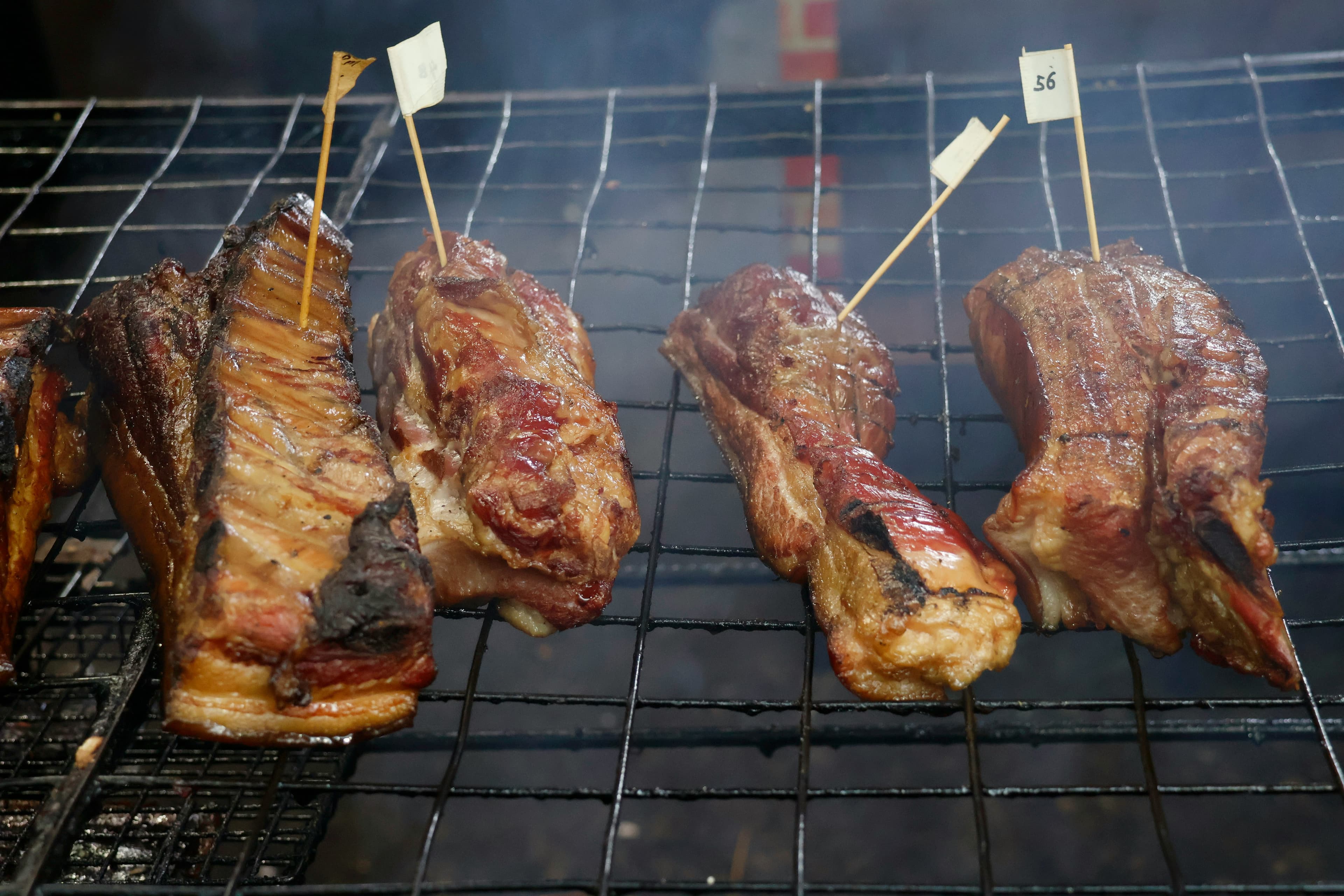
(grilled meat) are staples at weddings. Mediterranean weddings break bread to symbolize unity, while Middle Eastern couples share honey to represent sweetness in marriage.
Serving ancestral recipes connects generations and allows guests to taste heritage. Food traditions also reflect abundance, hospitality, and love.
Couples can design menus that blend traditional dishes with modern flavors, ensuring guests enjoy both cultural authenticity and culinary creativity.
Generational Blessings
This is a divine favor and benefits that extend beyond an individual to their descendants.
- Biblical Foundation: Rooted in covenants and promises God made to faithful figures like Abraham, Isaac, Jacob, and David.
- Forms of Blessing: Prosperity, health, wisdom, protection, spiritual insight, and favor with people and God. Elders play a vital role in weddings. In Tanzania, elders often give blessings through prayers or storytelling. In other cultures, heirlooms like rings or cloth are passed down.
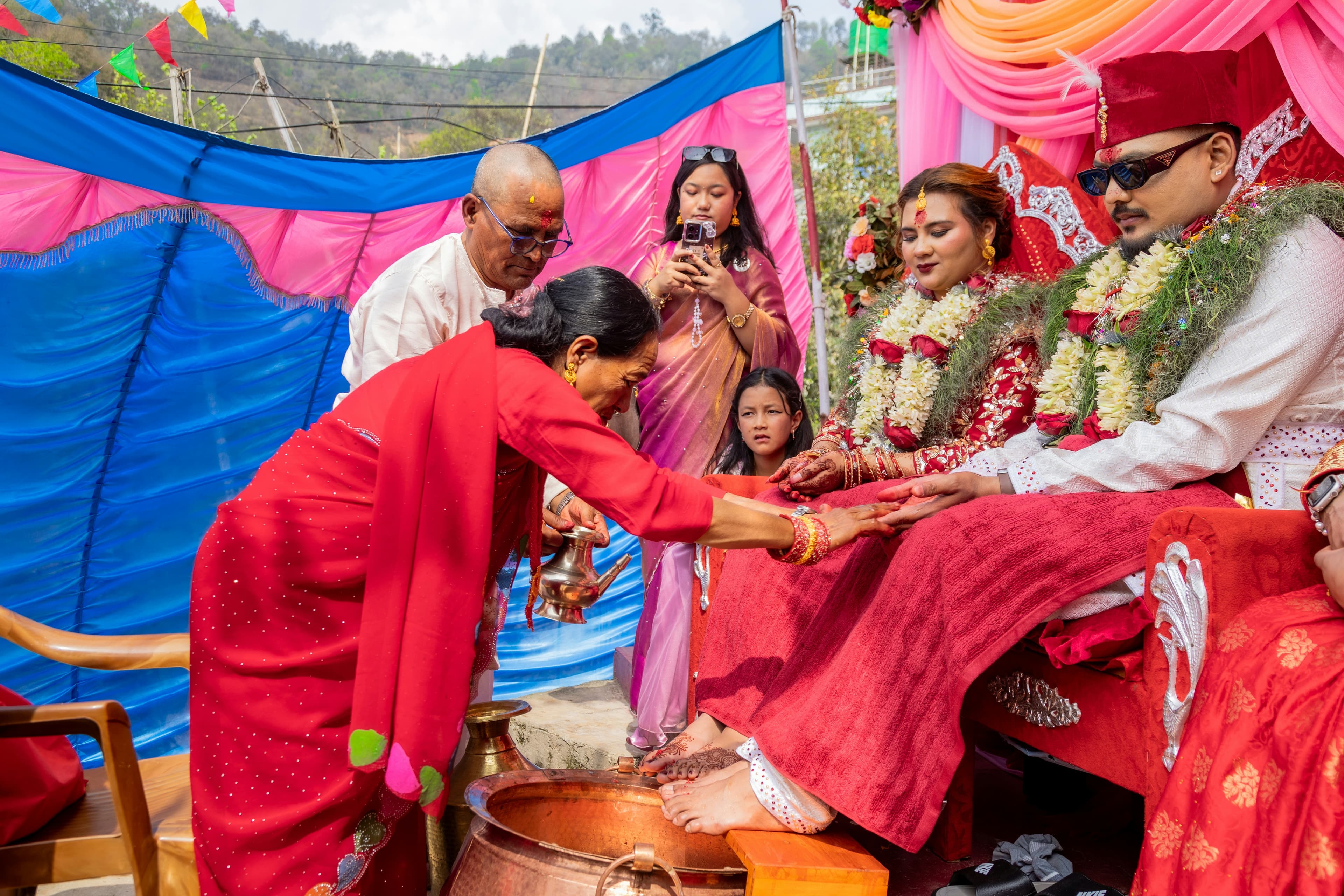
These blessings remind couples that marriage is a continuation of family legacy. Elders’ involvement adds emotional depth, connecting the couple to their roots. Their wisdom and presence symbolize continuity, ensuring traditions live on.
Practical Examples Today
- Legacy of Faith: Parents who model prayer, honesty, and forgiveness often see their children carry these values forward.
- Prosperity & Stability: Families that practice integrity and stewardship may experience financial stability across generations.
- Spiritual Wisdom: Teaching biblical values ensures children grow with guidance and moral clarity.
- Community Impact: A family known for kindness and service often builds a reputation that benefits descendants.
Storytelling Traditions
Stories make weddings unforgettable. Couples can display ancestral photos, create a timeline wall of family love stories, or invite relatives to share tales of past marriages. In Tanzania, oral storytelling traditions enrich ceremonies with wisdom and humor. Photo walls of ancestors, storytelling circles, timeline displays of family marriages. Storytelling can base on,
- Family Legacy Stories Example: A father of the bride shares how he first met her mother, weaving in humor and lessons about love, showing how family values are carried forward.
- Couple’s Journey Example: The best man tells the story of how the groom nervously asked the bride out for the first time, highlighting the growth of their relationship.
- Cultural/Traditional Tales Example: In Tanzanian weddings, elders may recount folktales or proverbs about unity and patience, connecting the couple’s union to ancestral wisdom.
- Inspirational Parables Example: A pastor or officiant shares a short parable—like the biblical story of Ruth and Boaz—to illustrate loyalty, faith, and divine blessing in marriage.
- Humorous Anecdotes Example: A maid of honor recalls a funny moment when the bride tried cooking for the groom and accidentally burned the meal, showing love through imperfection.
Techniques That Make Wedding Storytelling Special can be
Stories are tailored to the couple’s unique journey. Blending humor, nostalgia, and heartfelt sincerity. Using metaphors (e.g., “marriage is like a garden that needs tending”).Stories often invite laughter, tears, or applause, making guests feel part of the couple’s journey.
and this matters since,
- Strengthens the bond between families.
- Preserves cultural traditions.
- Inspires the couple with wisdom for their new life.
- Creates unforgettable moments for guests.
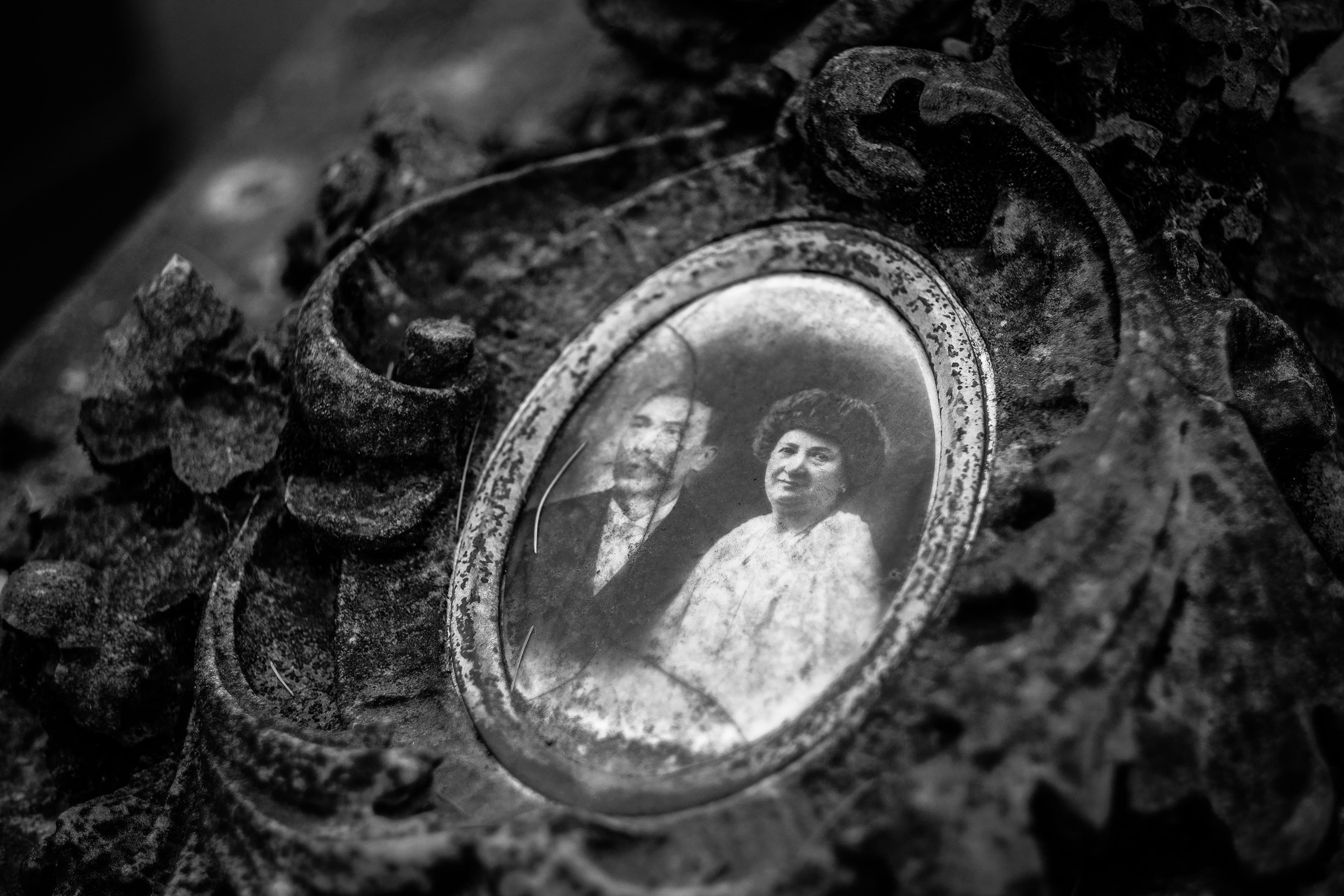
Storytelling connects guests emotionally, making them part of the couple’s journey. It transforms the wedding into a narrative of love, heritage, and continuity.
Symbolic Décor
Décor can carry cultural meaning. Tanzanian weddings often use beadwork and woven baskets. Lotus flowers in Asia symbolize purity, olive branches in Mediterranean weddings represent peace, cowrie shells in Africa signify prosperity, and Celtic knots symbolize eternity. Décor becomes a silent storyteller, reflecting heritage and values.
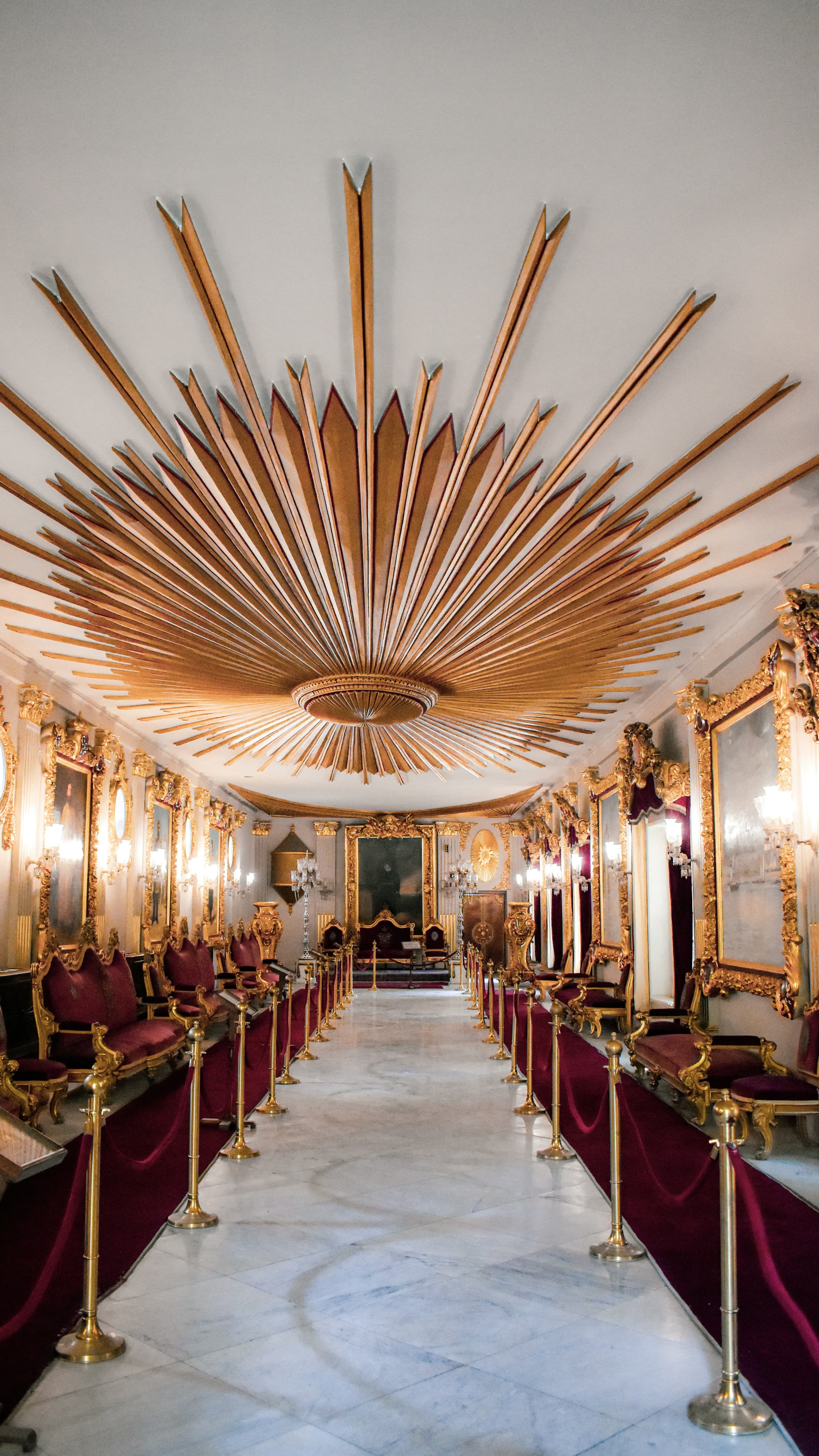
Couples can design décor that blends traditional symbols with modern aesthetics, creating a visually rich and meaningful environment some symbols can be,
Unity Rituals
Unity rituals symbolize merging lives. Tanzanian couples may light candles together, while others mix colored sands or pour water into a shared vessel.
weddings are symbolic acts performed by the couple (sometimes with family) to represent the joining of two lives, families, or communities. They go beyond words and vows, offering a visual and emotional reminder of togetherness.
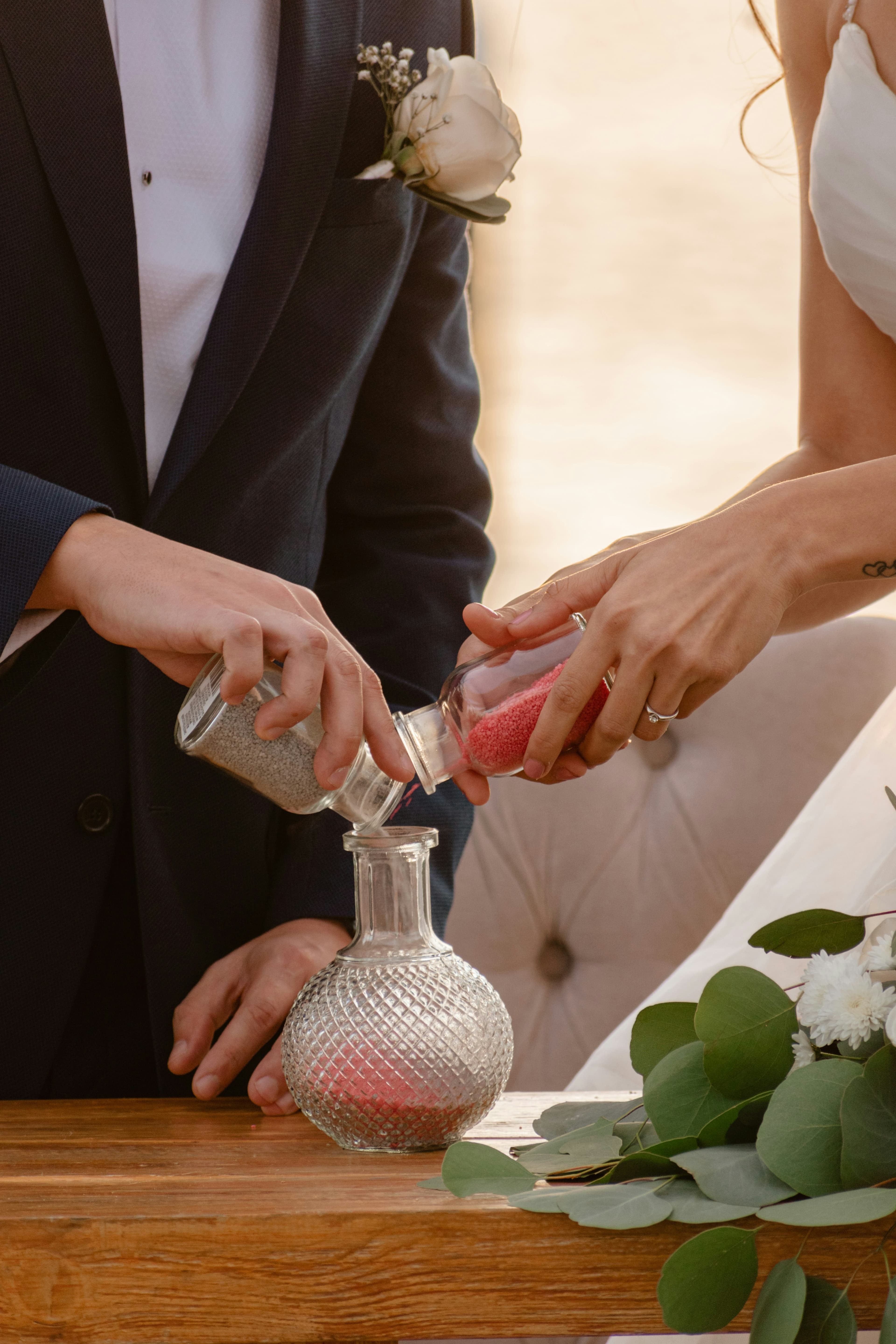
These acts visually represent two becoming one. Unity rituals are powerful because they are simple yet deeply symbolic. They allow couples to express their bond in a way that guests can witness and remember. Common Unity Rituals & Their Meanings
- Unity Candle CeremonyTwo smaller candles (representing each partner) are lit and then used to light one larger candle together.Meaning: The merging of two lives into one shared flame.
- Sand CeremonyEach partner pours different colored sand into one vessel, creating a layered design.Meaning: Just as grains of sand cannot be separated, the couple’s lives are now inseparable.
- Wine or Water BlendingThe couple pours two different liquids into one cup and drinks together.Meaning: Represents harmony, shared joy, and the blending of personalities.
- Tree Planting CeremonyThe couple plants a tree together, often with soil from each family’s home.Meaning: Growth, roots, and a lasting foundation for their marriage.
- Jumping the Broom (African-American tradition with African roots)The couple jumps over a broom laid on the ground.Meaning: Sweeping away the past and starting a new life together.
Modern Adaptations of Tradition
Traditions evolve with time. Couples can stream ceremonies for distant relatives, use digital guestbooks for blessings, or blend multiple cultural rituals. In Tanzania, modern weddings often combine church ceremonies with traditional dances, showing how heritage adapts to modern life.
Modern adaptations of tradition in weddings are creative ways couples honor cultural heritage while making it relevant to contemporary life. They keep the symbolism but add fresh touches that reflect modern values, aesthetics, or lifestyles.

These adaptations ensure traditions remain relevant while embracing technology and contemporary practices. some key points are,
Blending Cultures: Couples from different backgrounds combine rituals, creating hybrid ceremonies.
- Personalization: Traditional elements are reimagined to reflect the couple’s unique story.
- Sustainability: Eco-friendly décor and practices replace older customs that may not align with modern values.
- Technology Integration: Live-streaming ceremonies or using digital invitations alongside traditional blessings.
- Minimalism & Style: Simplifying traditional décor while keeping symbolic meaning intact.
Closing with Tradition
Endings matter. Tanzanian weddings often conclude with joyful dances and blessings. Other cultures release lanterns, throw rice or petals, or sing farewell songs. These acts leave guests with lasting emotional impressions.
Also, Symbolic Ending: A ritual or blessing at the end ties the whole ceremony back to cultural roots.
- Community Involvement: Elders, family, or friends often participate, reinforcing that marriage is not just about two people but about families joining.
- Continuity: Traditional closings remind the couple that they are part of a larger story—carrying forward values into future generations.
- Emotional Impact: Guests leave with a sense of reverence, joy, and cultural pride.
symbolize hope, gratitude, and continuity, ensuring the wedding day ends with meaning and joy.
Traditions make weddings timeless. They honor ancestors, celebrate culture, and create continuity for future generations. A wedding rooted in tradition is not just a day it is a legacy of love, culture, and family that resonates across Tanzania and beyond.