Weddings are often reduced to logistics budgets, timelines, and vendors. Yet the most memorable celebrations are those that go deeper, aligning every choice with meaning. This guide is written for couples and leaders who want substance, not surface. It highlights five pillars that shape weddings into enduring legacies: vision, venue, photography, guest experience, and legacy.
A wedding is not just a day it is a cultural milestone, a family gathering, and a personal declaration of love. When couples plan with depth, they create experiences that guests remember not only for beauty but for emotional resonance.
Vision: Defining the Heart of the Celebration
Vision is the emotional compass of a wedding. It is not about colors or decorations, but about the feeling couples want to create. Do they want intimacy, grandeur, cultural continuity, or playful joy?
A clear vision prevents fragmentation. Without it, decisions become scattered a glamorous dress paired with a rustic barn, or solemn vows followed by a casual buffet. With vision, every detail aligns. Leaders guiding couples should encourage them to articulate emotions: “We want our guests to feel embraced,” or “We want the day to feel timeless.”
Vision also helps couples resist external pressures. Families, traditions, and trends often push couples in conflicting directions. A strong vision acts as a filter, allowing couples to say yes to what fits and no to what distracts.
Venue: The Stage of Memory
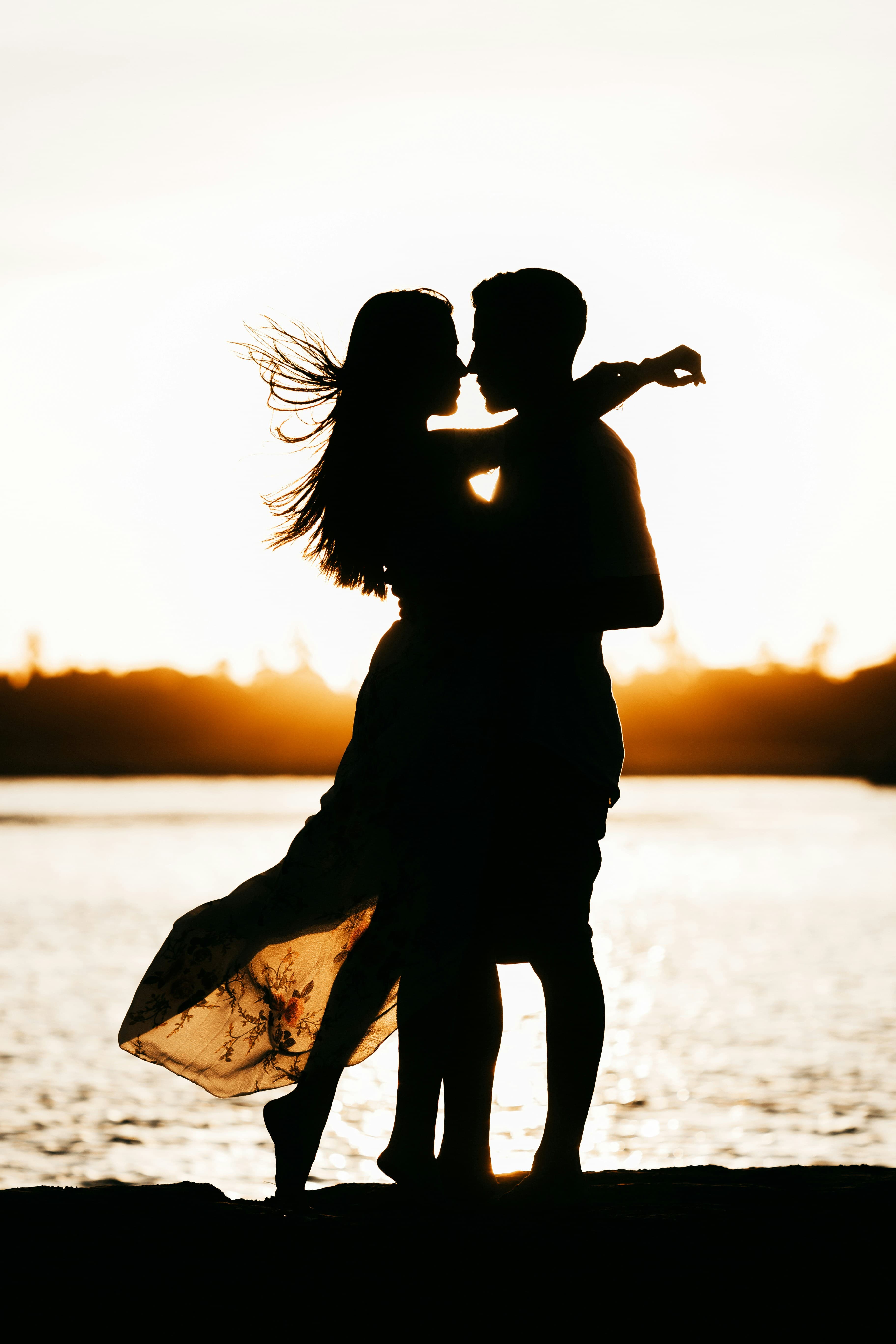
The venue is more than a backdrop; it is a statement. A cathedral conveys solemnity, a seaside cliff suggests freedom, and a historic hall whispers continuity. Couples should walk through spaces imagining sound, sight, and atmosphere: how vows echo, how guests enter, how evening light transforms the mood.
Accessibility matters too. A venue that is breathtaking but difficult to reach may frustrate guests. Leaders should balance symbolism with practicality. The venue should embody the couple’s values while ensuring comfort.
The venue also influences logistics: catering, photography angles, and guest flow. Outdoor spaces may require contingency plans for weather, while indoor halls may need creative lighting to avoid feeling flat. Couples should think beyond aesthetics to how the space will function hour by hour.
Photography and Videography: The Art of Memory
Photography and videography are not documentation; they are storytelling. The best professionals anticipate moments a grandmother’s tears, a child’s laughter, a couple’s glance that says everything.
Photography freezes emotion in still frames, while videography adds sound and movement. Couples should invest in professionals who understand narrative, not just technical skill. Leaders should emphasize that these memories will outlast décor and food.
Editing choices matter too. A highlight reel with music can capture energy, while a documentary‑style film preserves authenticity. Couples should decide whether they want cinematic grandeur or intimate storytelling.
Another consideration is guest involvement. Some couples invite guests to record short video messages, which can be woven into the final film. This adds personal voices to the memory archive.
Guest Experience: Hospitality as Legacy
Guests are not spectators; they are participants. A wedding that neglects guest experience risks being remembered as beautiful but distant. Hospitality is empathy in action.
Couples should consider the guest journey: arrival, seating, dining, entertainment, and farewell. Flow matters a warm welcome sets the tone, while thoughtful farewells leave lasting impressions. Personalized notes, interactive photo booths, or cultural performances make guests feel included.
Food is central. It is not just nourishment but a symbol of generosity. Couples should consider dietary needs and cultural dishes, ensuring everyone feels cared for. Entertainment should balance energy and inclusivity, from live bands to quiet spaces for conversation.
Children and elders deserve special attention. Providing play areas for children and comfortable seating for elders shows respect. Weddings that honor all generations become richer in meaning.
Legacy: Beyond the Day
The wedding day ends, but its legacy continues. Couples must think about how they will preserve and share memories. Albums, films, and digital archives ensure future generations can witness the love story.
Symbolic gestures extend legacy. Planting a tree, creating a family tradition, or donating to a cause in honor of the union adds meaning beyond celebration. Leaders should encourage couples to see weddings as chapters in a larger narrative of family and community.
Legacy also involves storytelling. Couples can write letters to each other to be opened on anniversaries, or record a video diary on the wedding day. These artifacts become treasures for future reflection.
As you move closer to the wedding day, keep these reminders in mind:
Stay true to your vision. Trends will come and go, but the emotions you want to create should guide every decision.
Prioritize meaning over perfection. Guests remember how they felt, not whether every flower was in place.
Communicate openly. With your partner, family, and vendors — clarity prevents stress and builds trust.
Capture the story. Invest in photography and videography that reflect your journey, not just the event.
Think beyond the day. A wedding is the beginning of a legacy; small symbolic gestures can carry meaning for decades.
Finnal views
By focusing on vision, venue, photography, guest experience, and legacy, couples create weddings that are not only beautiful but deeply meaningful. These elements, planned with care, ensure the celebration resonates beyond the day itself, becoming a memory woven into the fabric of family and community. The truth is, weddings are about meaning. They are about the emotions guests feel when they walk into the venue, the tears shed during vows, the laughter shared at the reception, and the memories preserved for decades. A wedding is a cultural marker, a family gathering, and a personal declaration of love all at once. It is both intimate and communal, deeply personal yet universally understood.
This guide is written for couples and leaders who want substance, not surface. It is for those who understand that a wedding is not just about “getting through the day,” but about creating an experience that resonates long after the last song is played. By focusing on fewer but richer points — vision, venue, photography, guest experience, and legacy — couples can craft weddings that are not only beautiful but deeply meaningful.
Planning with depth means asking harder questions: What do we want our guests to feel? How do we want to remember this day in 20 years? What legacy do we want to leave behind? These questions go beyond logistics and touch the Final Reminders for Couples and Planners.