Weddings are treasured milestones across cultures, but financial realities often make couples anxious. In Tanzania, weddings are deeply cultural, involving family, food, and community. Yet, the essence of marriage lies in love, not luxury.
This guide offers detailed strategies for planning a wedding with limited funds, enriched with examples, and paired with visual ideas for photos.
Define Your Priorities
Couples often feel overwhelmed by endless wedding options, but clarity begins with identifying priorities. Sit together and list what truly matters is it food, photography, or attire? This clarity ensures funds go toward meaningful aspects rather than unnecessary extras.
For example, if photography is most important, allocate more funds there and simplify décor. If food is central, invest in traditional dishes that guests will remember.
Priorities also help when family members suggest expensive additions you can politely decline by pointing to your agreed list.
Couples who prioritize wisely often find joy in simplicity, because the wedding reflects their values rather than external pressure.

Budget Planning and Transparency
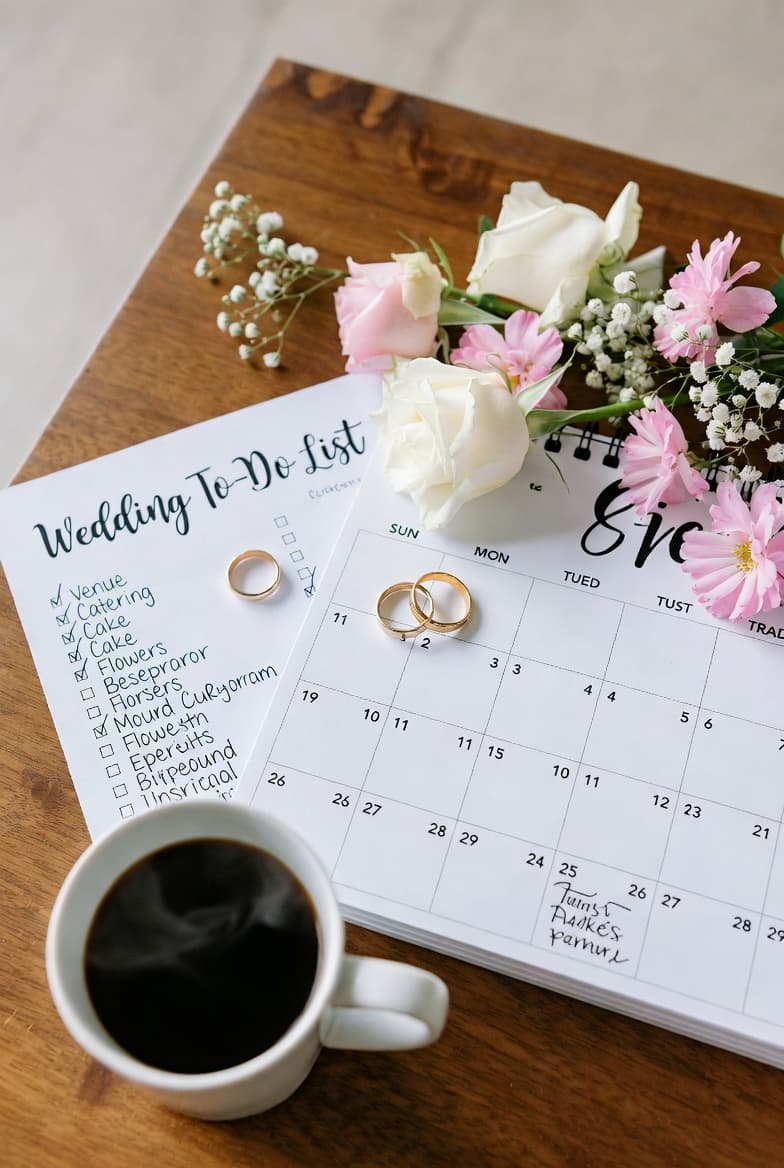
Budgeting is the backbone of affordable weddings, and without it, costs spiral quickly. Break down expenses into categories like venue, food, attire, décor, and photography. Assign percentages to each category to avoid overspending.
Share this plan with family members who may contribute financially to avoid misunderstandings. Transparency builds trust and prevents last-minute stress.
Couples who openly discuss finances often avoid conflict later. In Tanzania, where families often contribute, clarity ensures everyone knows their role.

A written budget also helps track small expenses that add up quickly, like transport or printing. Couples who stick to their budget often feel more relaxed and confident during planning.
Affordable Venues
Venues often consume the largest portion of wedding budgets, but affordable alternatives exist. Instead of luxury hotels, consider community halls, church grounds, mosques, or family compounds.
Outdoor spaces like beaches or gardens provide natural beauty at little cost. A family home can be transformed with simple décor into a warm, intimate venue. Public gardens in Dar es Salaam or Zanzibar offer scenic backdrops without high fees.
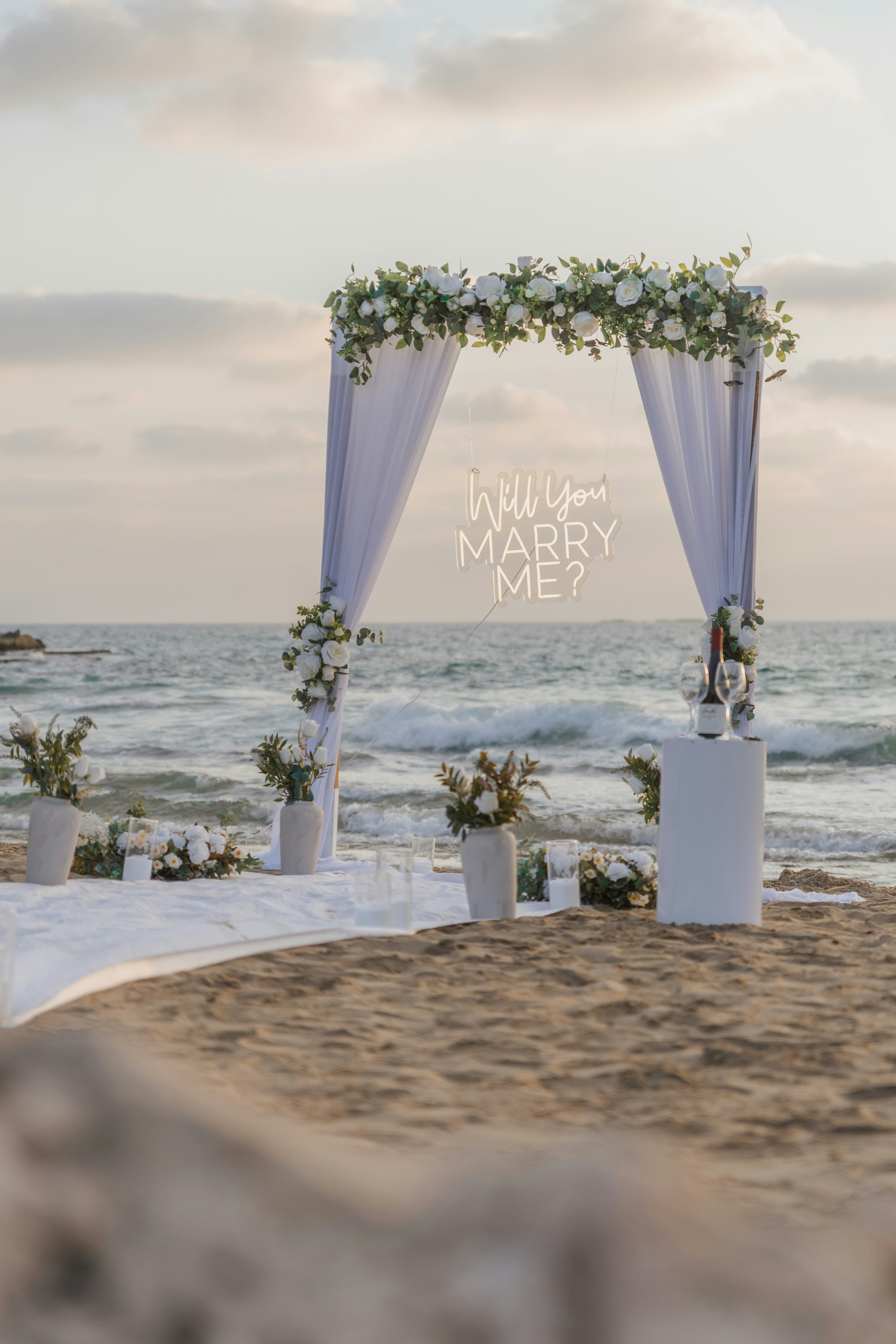
Couples should also ask friends or relatives for access to private compounds, which often come free. Choosing a meaningful location, such as a childhood home or local landmark, adds sentimental value without financial strain.
Guest List Management
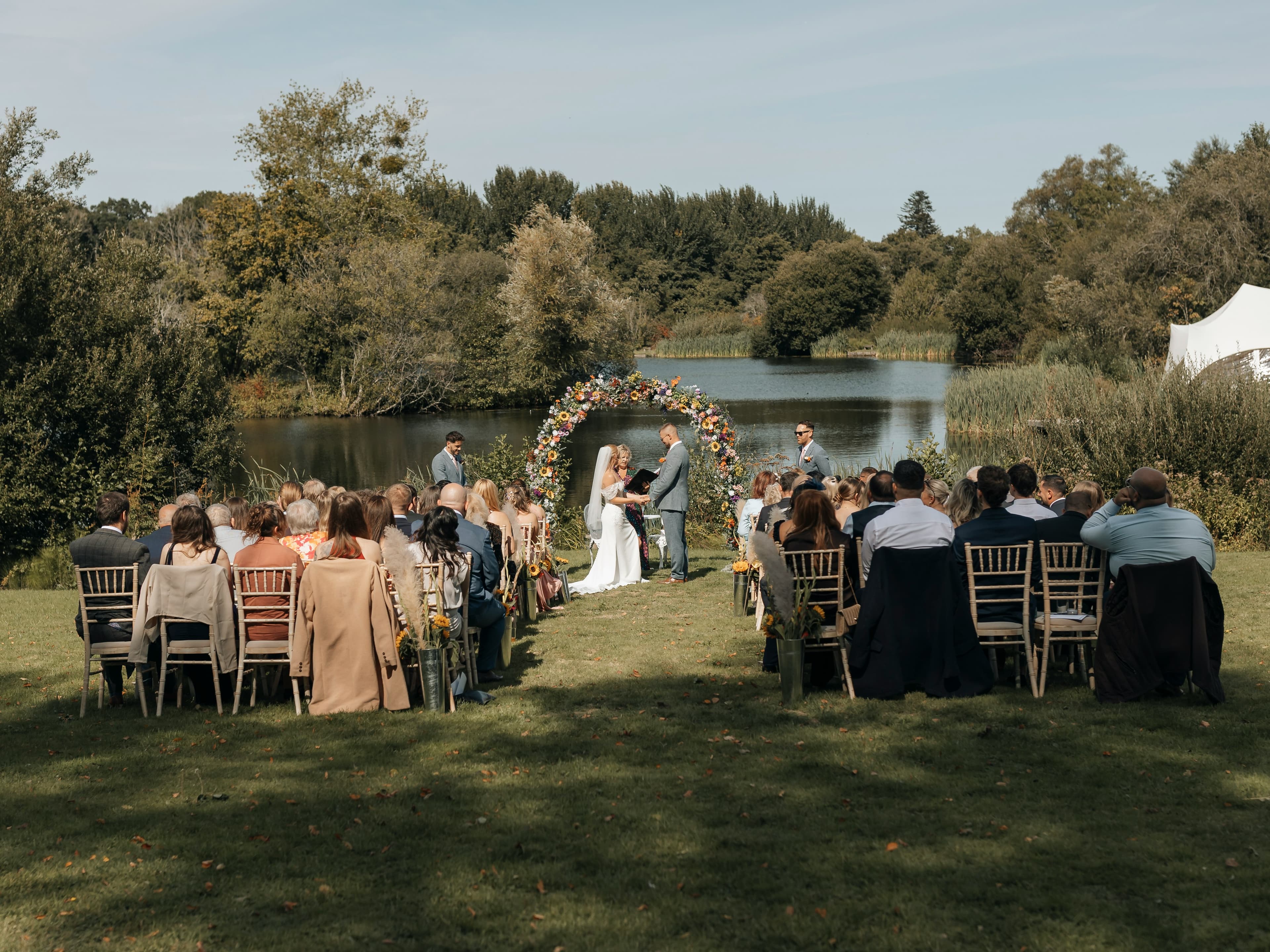
Every guest adds to catering, seating, and logistics, so managing the list is crucial. Keeping the guest list intimate reduces costs while maintaining warmth. Invite only close family and friends, or host a small ceremony followed by a larger community celebration later.
This balance honors tradition without financial strain. In Tanzania, where weddings often attract hundreds, limiting guests can be challenging but worthwhile. Couples can explain that intimacy allows them to focus on meaningful connections. Smaller guest lists also reduce stress during planning and make the event more personal. Guests often appreciate the closeness and attention they receive in smaller gatherings.
Affordable Catering
Food is central to Tanzanian weddings, but it doesn’t have to be extravagant. Hire local cooks instead of catering companies. Serve traditional dishes like pilau, chapati, samaki wa kupaka, and seasonal fruits. Buffet-style meals reduce serving staff costs while keeping guests satisfied.
Couples can also source ingredients locally to cut costs.
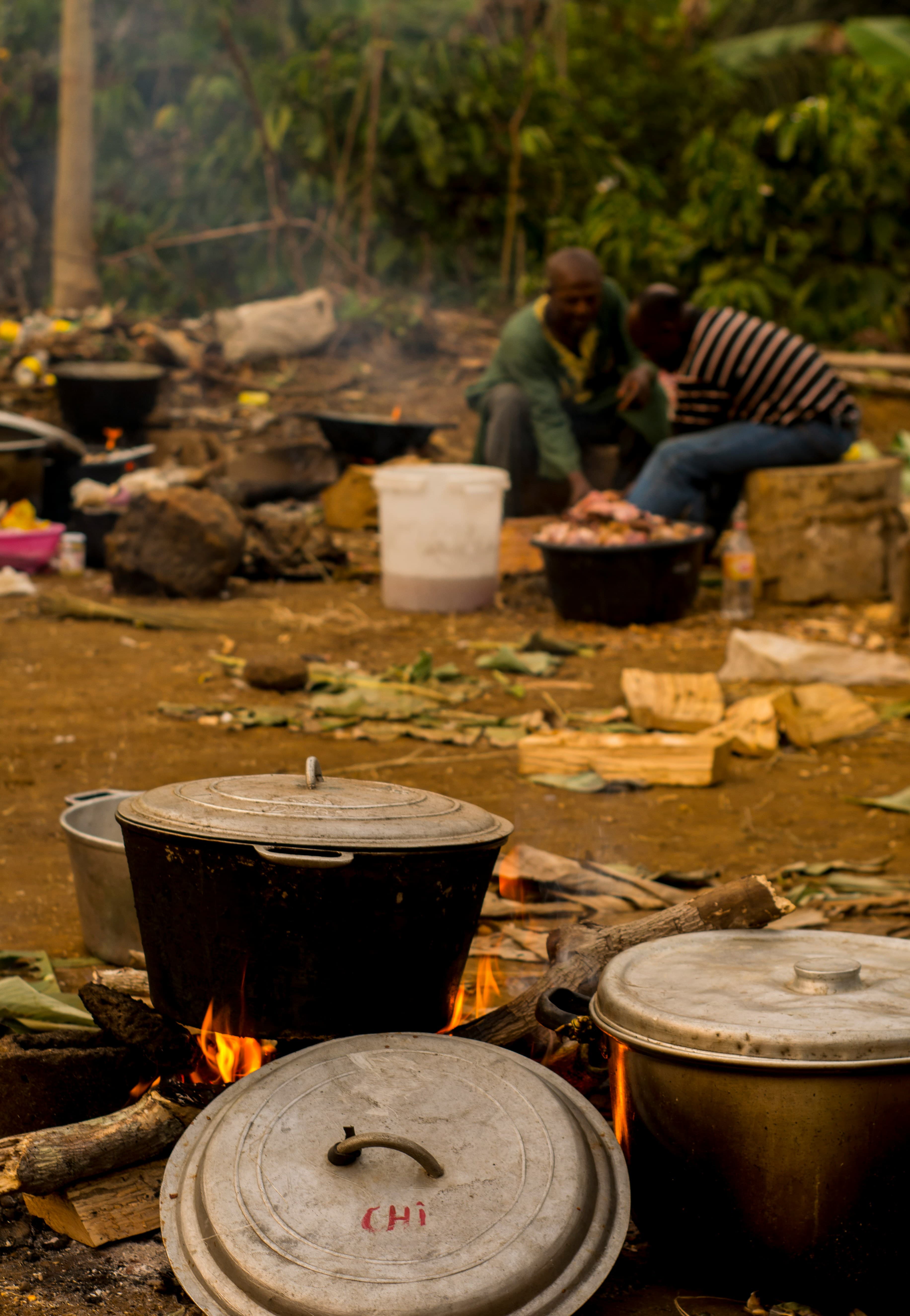
Traditional cooking methods, like preparing pilau in large pots, create both flavor and atmosphere. Guests often appreciate familiar dishes more than expensive menus
.
Food should reflect culture and comfort, not just expense. A wedding meal that feels authentic leaves lasting memories without draining finances.
Fashion and clothing
Fashion is important, but affordable options exist for couples who plan wisely. Rent gowns and suits instead of buying. Support local tailors who can create elegant kitenge or khanga outfits. Second-hand dresses from Kariakoo shops are also budget-friendly.
Attire should reflect personality and culture, not just price tags. Couples can mix modern and traditional styles for unique looks. Brides may choose kitenge gowns that celebrate Tanzanian heritage while saving money. Grooms can wear tailored suits from local designers at lower costs.

Accessories can be borrowed or handmade to reduce expenses. The goal is to look elegant without financial strain.
Décor and Flowers
Décor sets the mood but doesn’t need extravagance. Use seasonal flowers from local markets. DIY decorations with khanga fabrics, lanterns, or recycled materials add charm. Borrow décor items from friends or community groups.
Creativity often outshines expensive setups. Couples can use coconut leaves, bougainvillea, or palm fronds for tropical flair. Simple lighting, like candles or lanterns, creates intimacy. Décor should highlight the couple’s personality rather than mimic luxury weddings.
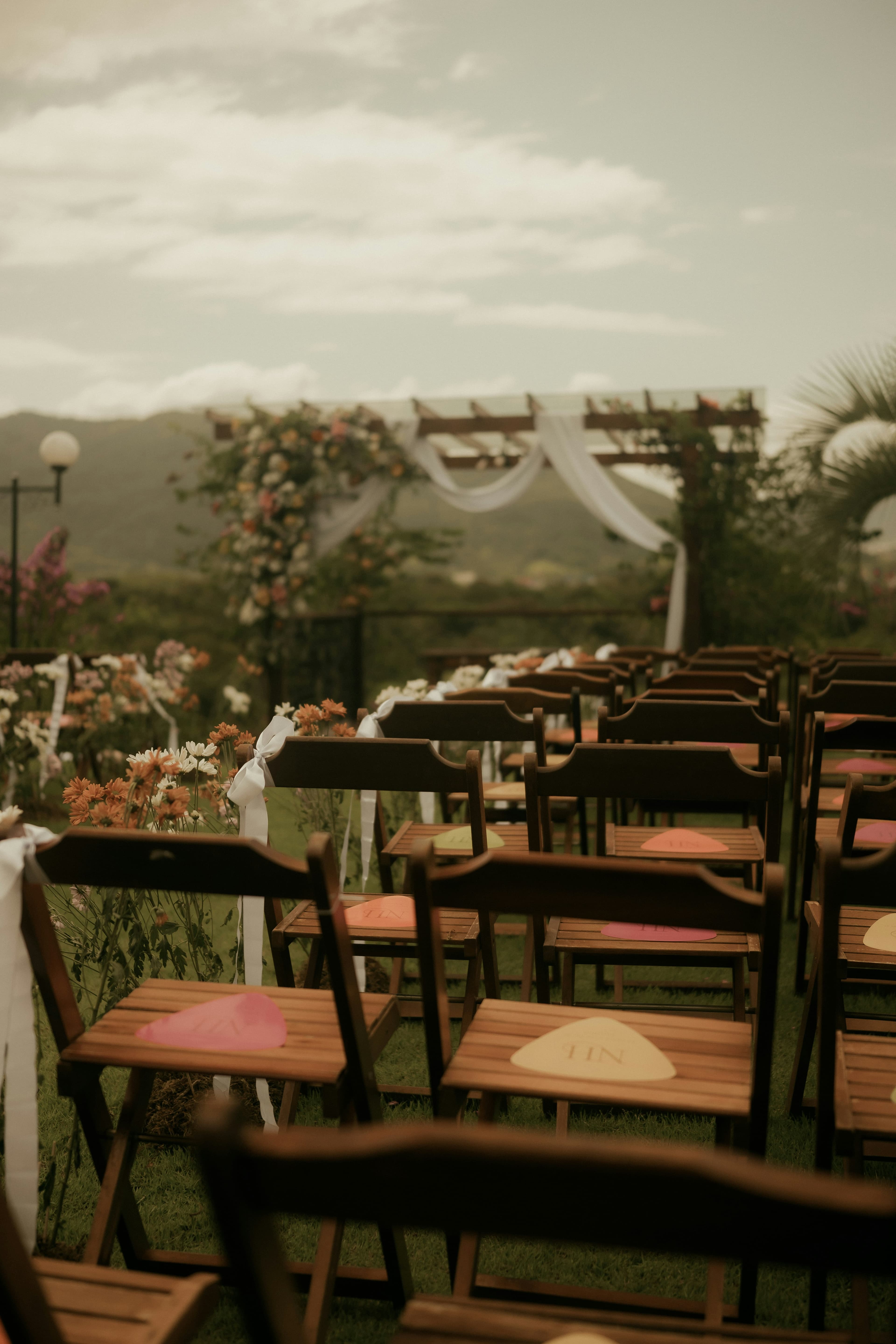
Guests often appreciate authentic, handmade touches more than costly designs. A wedding decorated with love feels more genuine than one filled with expensive rentals.
Photography and Videography
Memories matter, but professional services can be costly. Hire upcoming photographers instead of established studios. Ask friends with good cameras to capture candid moments. Smartphones with editing apps can produce beautiful highlight reels.
The goal is to preserve joy, not perfection. Couples should focus on capturing emotions rather than staged shots. Natural lighting often produces stunning photos without extra equipment.
Videos can be short highlight reels instead of full-day coverage Sharing digital albums saves printing costs while keeping memories accessible. A wedding remembered through heartfelt photos is more valuable than one remembered through expensive productions.
Entertainment
Music and dance are essential in Tanzanian weddings, but they don’t need to be costly. Hire local DJs instead of full bands. Use curated playlists with speakers. Invite traditional dance groups for cultural flair.
Entertainment should reflect joy and culture, not financial strain. Couples can ask talented friends to perform songs or dances. Traditional ngoma or taarab groups add authenticity at lower costs.
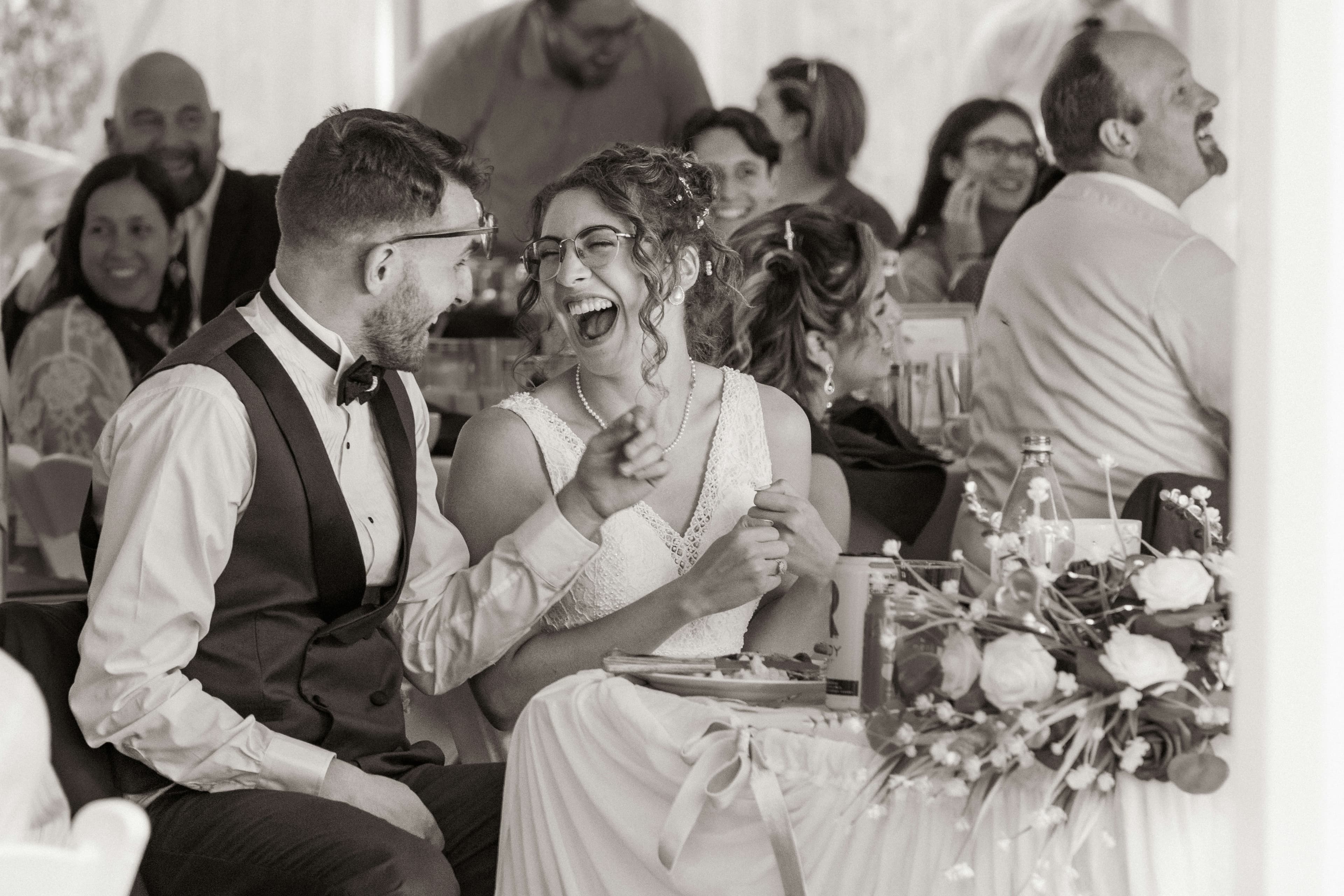
Guests often enjoy participating in dances, creating lively atmospheres. Entertainment should encourage togetherness rather than impress with expense. A wedding filled with laughter and dance is remembered more than one with costly performers.

Invitations and Communication
Printing hundreds of invitations is costly, but digital solutions save money. Use WhatsApp groups for digital invites. Create simple printed cards for elders who prefer physical copies. Free online tools make designing invitations easy and affordable.
Couples can personalize digital invites with photos or short videos. Invitations should reflect warmth and clarity rather than luxury. Digital communication also allows quick updates if plans change. This approach saves money while keeping guests informed. A heartfelt message in an invite matters more than expensive printing.
A wedding’s beauty lies in love, not luxury. By embracing creativity, cultural traditions, and smart budgeting, couples in Tanzania and beyond can celebrate meaningfully without overspending. Whether under a baobab tree, in a family compound, or on a sandy beach, the essence of marriage shines through simplicity. an