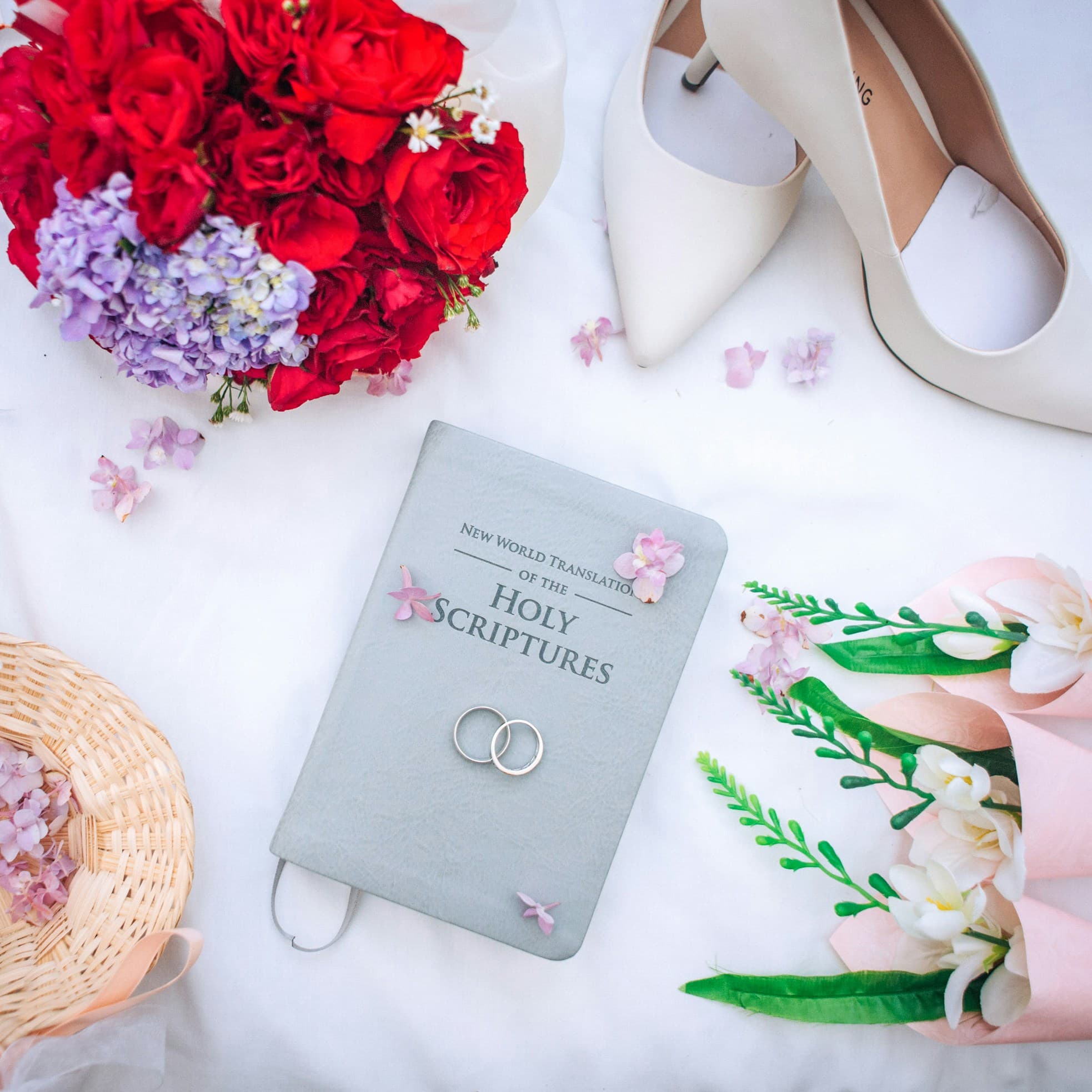
Weddings are not simply ceremonies; they are stories of love, family, and culture. They symbolize commitment and create memories that last generations. In Tanzania, weddings often blend traditional dances and blessings with modern elegance. Abroad, couples may choose castles, vineyards, or tropical resorts. Regardless of location, weddings unite communities and reflect values of joy, respect, and togetherness.
A wedding is also a public declaration of love. It is the moment when two individuals stand before family, friends, and sometimes entire communities, promising to walk together through life’s joys and challenges. This makes weddings both deeply personal and profoundly social.

Vision and Planning
Every wedding begins with a vision. Couples must define what they want grand or intimate, traditional or modern. Without a clear vision, planning becomes chaotic.
- Set Goals: Couples should ask themselves: Do we want a large celebration with hundreds of guests, or a small, intimate gathering? Do we want a traditional ceremony, or something modern and unconventional? These questions shape every decision.
- Timeline: Planning should begin at least 12 months ahead. Early planning allows time for venue booking, attire selection, and guest coordination. A timeline prevents last‑minute stress and ensures that each detail is addressed.
- Coordination: In Tanzania, family elders often play a guiding role, ensuring traditions are respected. International weddings may rely more on professional coordinators who manage logistics and design.
Deep Explanation: Vision is the foundation of harmony. When couples share a clear vision, they avoid conflicts and misunderstandings. It also helps vendors understand expectations, ensuring that décor, attire, and ceremonies align with the couple’s dream.
Strong Point: A clear vision prevents confusion and ensures harmony in planning.
Budgeting Wisely
Money shapes possibilities. Couples should balance dreams with financial reality.
- Essentials First: Venue, attire, and guest care should be prioritized. These are the core elements that define the wedding experience.
- Hidden Costs: Transport, permits, décor extras, and accommodation for guests often surprise couples. For example, destination weddings may require visas and travel insurance.
- Smart Choices: DIY décor, local vendors, and off‑season dates can save thousands. Couples can also consider weekday weddings, which are often cheaper.
- International Weddings: Include travel, visas, and guest accommodation in the budget. Couples should also account for currency exchange rates and international vendor fees.
Deep Explanation: Budgeting is not about limiting dreams it is about making them sustainable. A disciplined budget ensures that couples begin married life without financial strain. It also teaches teamwork, as couples must discuss priorities and compromise.
Strong Point: A disciplined budget protects couples from post‑wedding debt.

Venue Selection
The venue sets the emotional tone.
- Local Venues: Beaches in Zanzibar, gardens in Dar es Salaam, cultural halls in Arusha. Each offers unique charm—beaches for romance, gardens for serenity, halls for tradition.
- International Venues: Vineyards in Italy, castles in France, tropical resorts in Bali. These venues often provide breathtaking backdrops and luxurious experiences.
- Considerations: Accessibility, weather, symbolism, and guest comfort. Couples should ask: Will guests easily reach the venue? Is the climate suitable? Does the venue reflect our values?
- Indoor vs. Outdoor: Indoor venues offer control over décor and climate, while outdoor venues provide natural beauty and atmosphere.
Deep Explanation: The venue is the stage of the wedding story. It influences décor, attire, and guest experience. A symbolic venue such as a family home or ancestral land—adds emotional depth. International venues, meanwhile, can turn weddings into travel adventures.
Strong Point: The venue is the stage where love is celebrated
Attire and Fashion
Clothing expresses identity and heritage.
- Bride: Options range from flowing gowns to traditional African attire with cultural embroidery. In Tanzania, brides may wear kitenge or khanga fabrics, symbolizing cultural pride.
- Groom: Suits, tuxedos, or traditional wear such as kanzu and kofia in East Africa. These choices reflect both elegance and heritage.
- Bridal Party: Coordinated colors and styles create visual harmony. Bridesmaids and groomsmen attire should complement the couple’s outfits.
- Accessories: Jewelry, veils, crowns, and shoes complete the look. Accessories often carry symbolic meaning, such as family heirlooms.
Deep Explanation: Attire is storytelling through fabric. It expresses identity, heritage, and elegance. A bride’s gown may symbolize purity, while traditional attire honors ancestors. Fashion choices also influence photography and guest impressions.
Strong Point: Attire tells the couple’s story,modern elegance or cultural pride.

Video Idea: Fashion showcase of wedding outfits.
Traditions and Rituals
Traditions enrich weddings with meaning.
- African Weddings: Dances, blessings, and symbolic rituals such as the gifting of kitenge fabrics. These rituals connect couples to their heritage.
- Western Weddings: Vows, rings, and the first kiss. These symbolize commitment and unity.
- Asian Weddings: Tea ceremonies, family honor, and symbolic offerings. These emphasize respect and family bonds.
- Blended Weddings: Multicultural couples often combine customs, creating unique celebrations.
Deep Explanation: Traditions are anchors of meaning. They connect couples to their roots while celebrating their future. They also create emotional resonance, as guests witness rituals that carry centuries of significance.
Strong Point: Traditions anchor weddings in heritage and values.

Guest Care and Hospitality
Guests are part of the memory.
- Invitations: Printed, digital, or video invites set the tone. Invitations should reflect the couple’s vision and provide clear details.
- Comfort: Seating, accessibility, and climate control matter. Guests should feel welcomed and comfortable throughout the event.
- Souvenirs: Personalized gifts such as handcrafted items or cultural tokens. These souvenirs remind guests of the celebration.
- International Guests: Provide transport, accommodation, and cultural guidance. Couples should ensure that guests feel at home, even in foreign settings.
Deep Explanation: Guest care is an act of gratitude. Weddings are not only about the couple—they are about the community that supports them. When guests feel valued, they carry the joy of the wedding into their own lives.
Strong Point: A wedding shines when guests feel valued.

Honeymoon Planning
The honeymoon is the couple’s first adventure.
- Local Destinations: Zanzibar’s beaches, Serengeti safaris, Kilimanjaro treks. These destinations offer romance and adventure close to home.
- International Destinations: Paris, Maldives, Bali. These destinations provide luxury and cultural exploration.
- Budget Options: Luxury resorts or affordable local getaways. Couples should choose what fits their financial reality.
- Purpose: Relaxation, bonding, and reflection after wedding stress.
Deep Explanation: Honeymoons are extensions of love. They allow couples to begin married life with intimacy and adventure. They also provide time to reflect on the wedding and dream about the future.
Strong Point: Honeymoons extend joy into private memories.

Sustainability in Weddings
Eco‑friendly weddings are meaningful.
- Décor: Reusable flowers, natural lighting, and biodegradable materials.
- Invitations: Digital to reduce waste.
- Fashion: Ethical attire choices, recycled fabrics.
Deep Explanation: Sustainability is love for the planet. Couples who choose eco‑friendly options show responsibility and care for future generations. Sustainable weddings also inspire guests to adopt eco‑friendly practices.
Strong Point: Sustainable weddings honor love and the planet.
Thus the article highlights the urgent need for sustainable urban planning. While it effectively underscores the environmental challenges, it could have expanded more on practical solutions. Overall, it serves as a strong call to action for policymakers and communities alike.